Design Legacy Talks: Expanding the Dialogue Between Art, Design, and Contemporary Culture
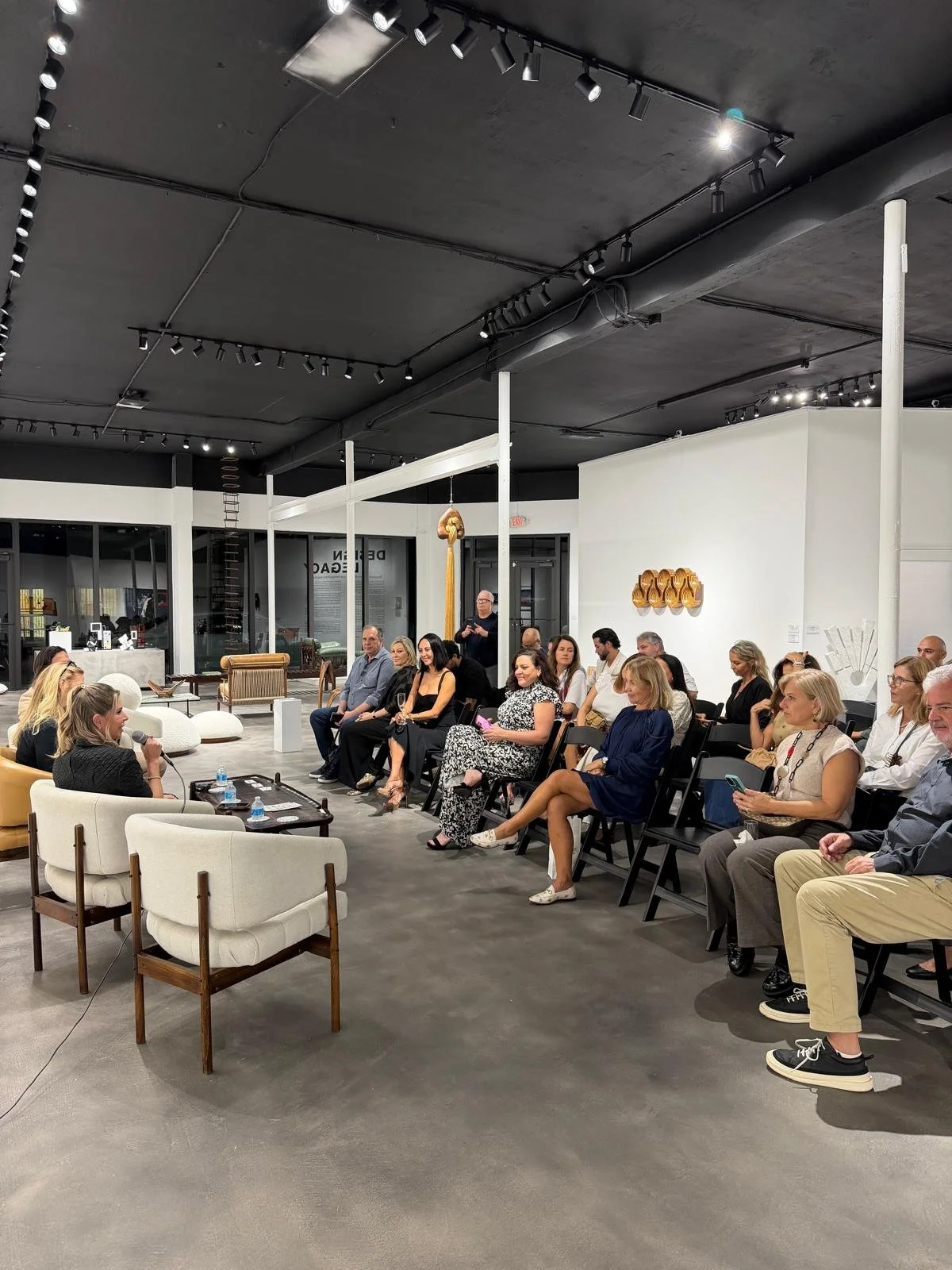
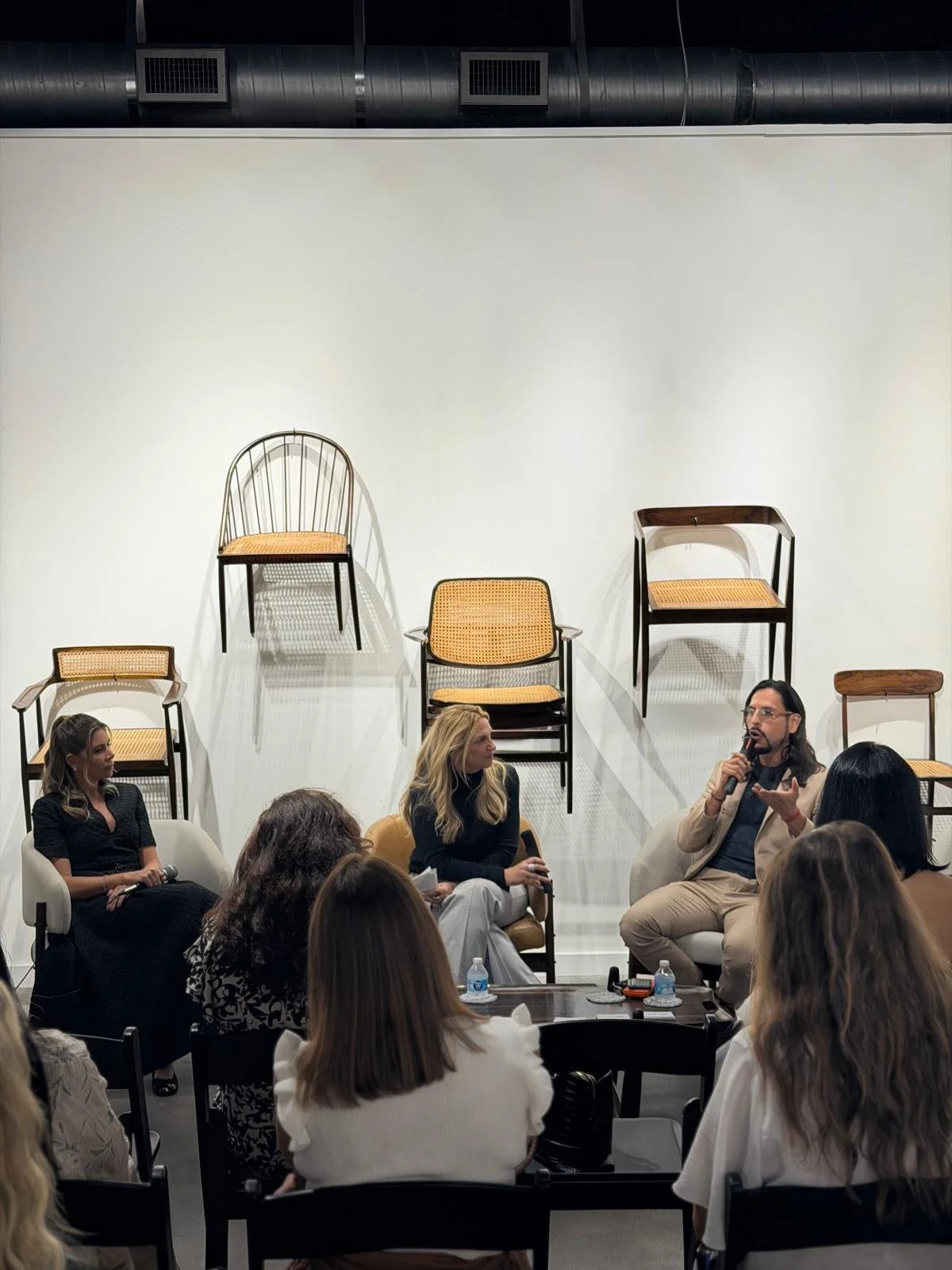
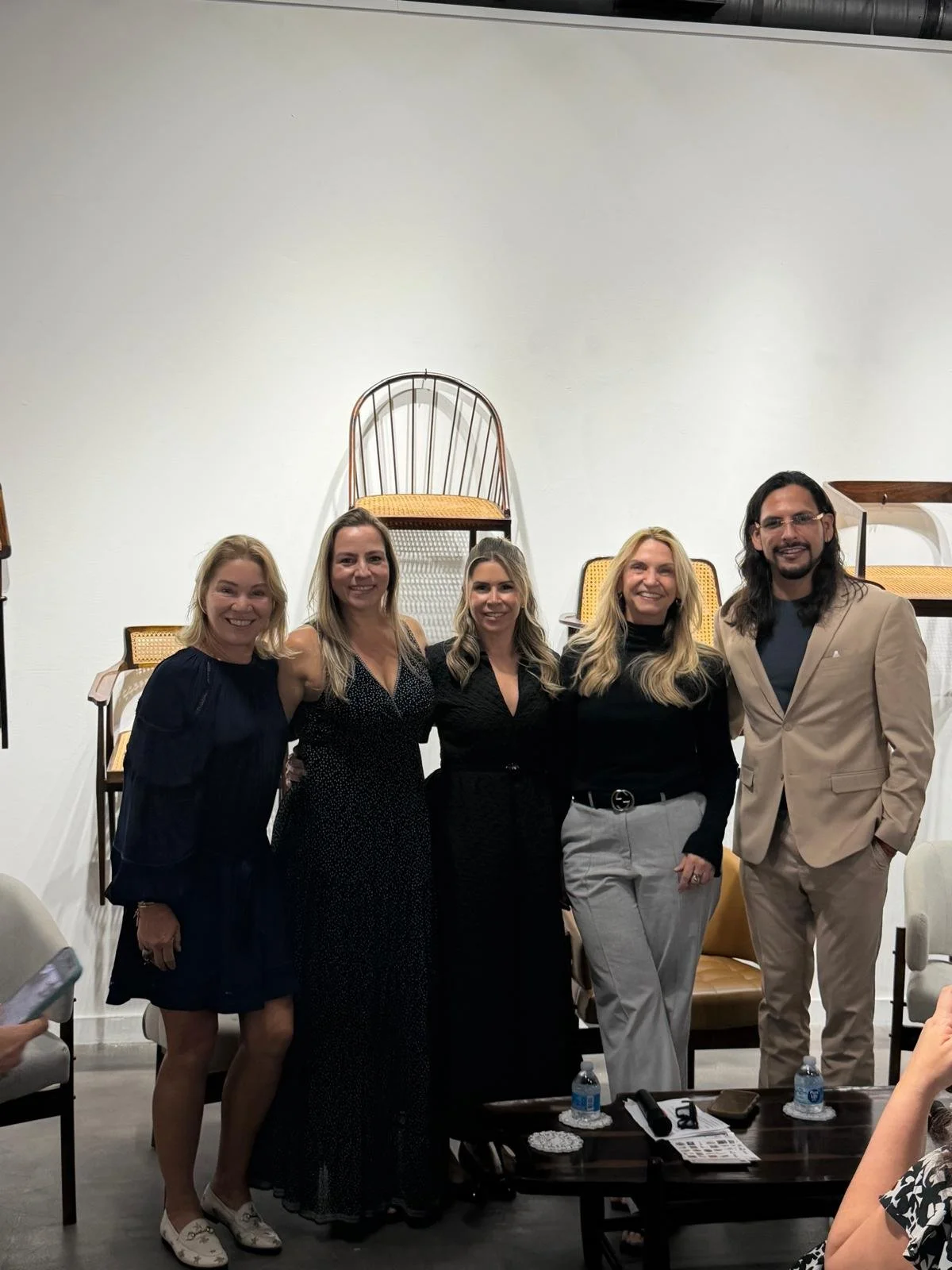
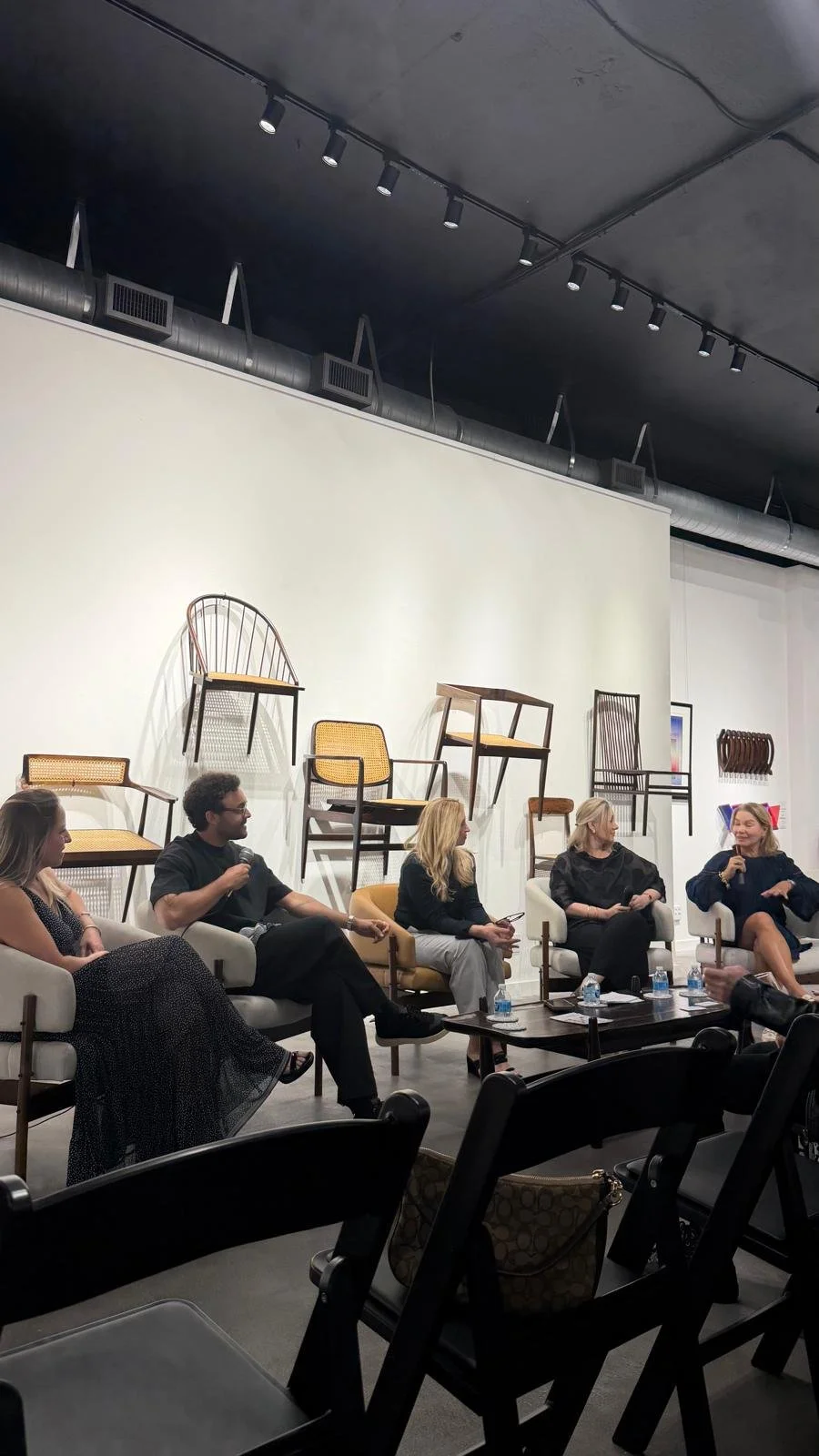
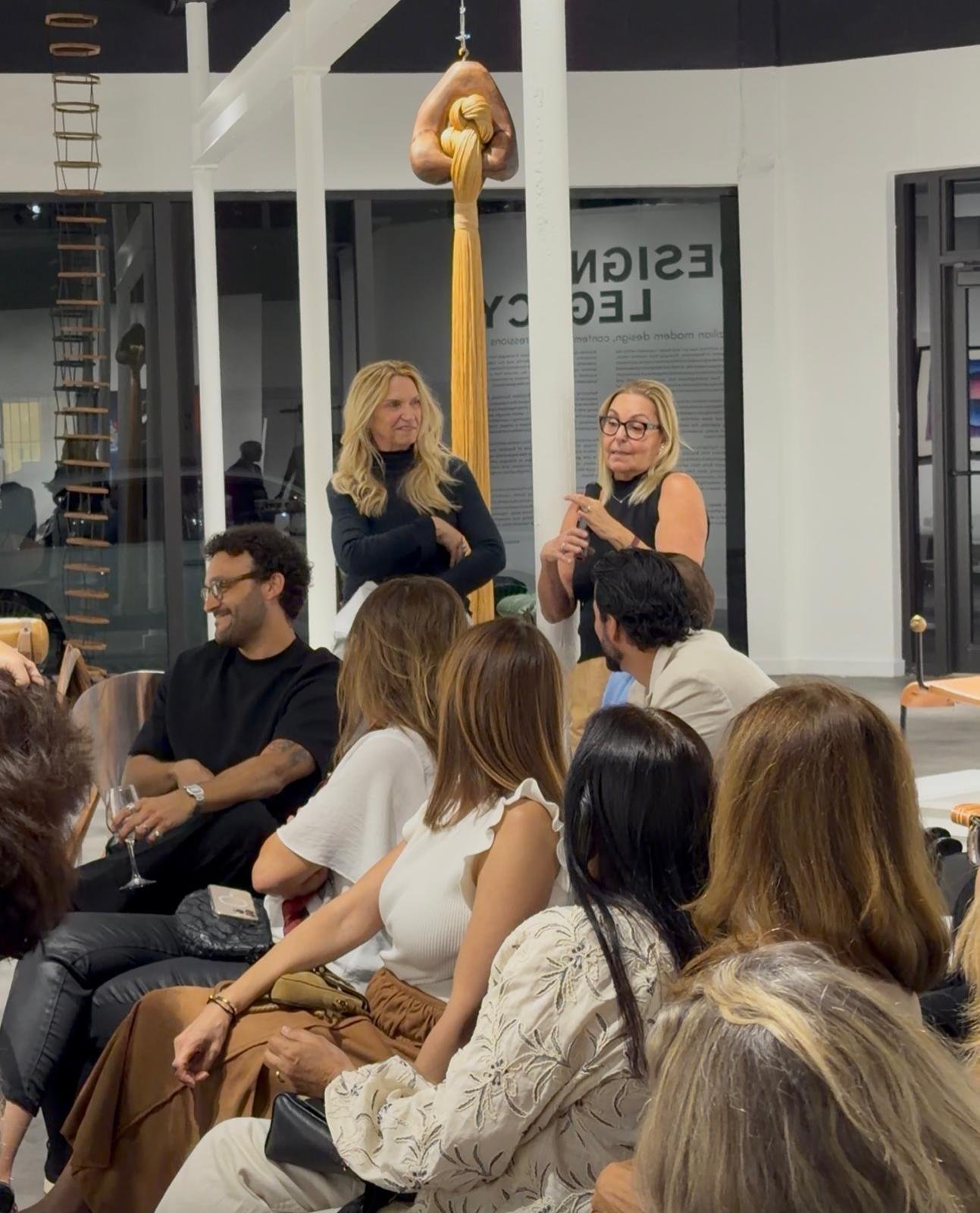
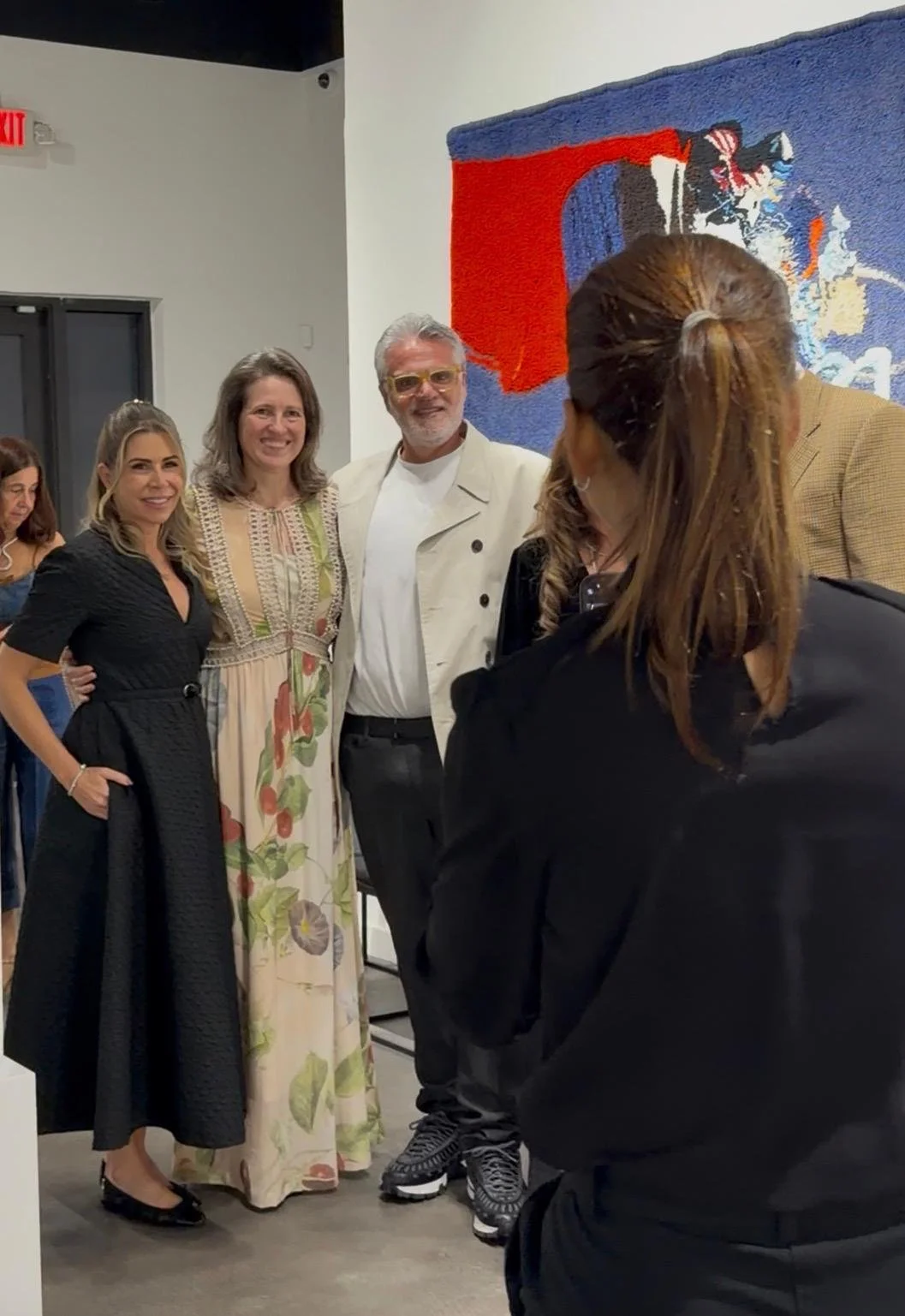
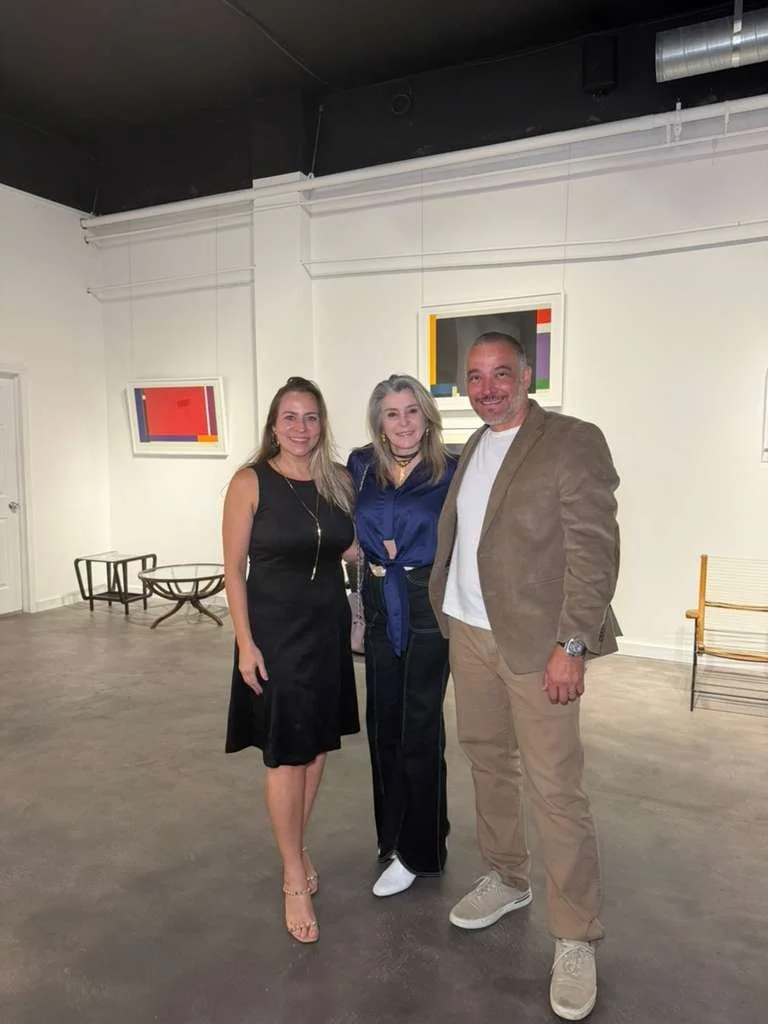
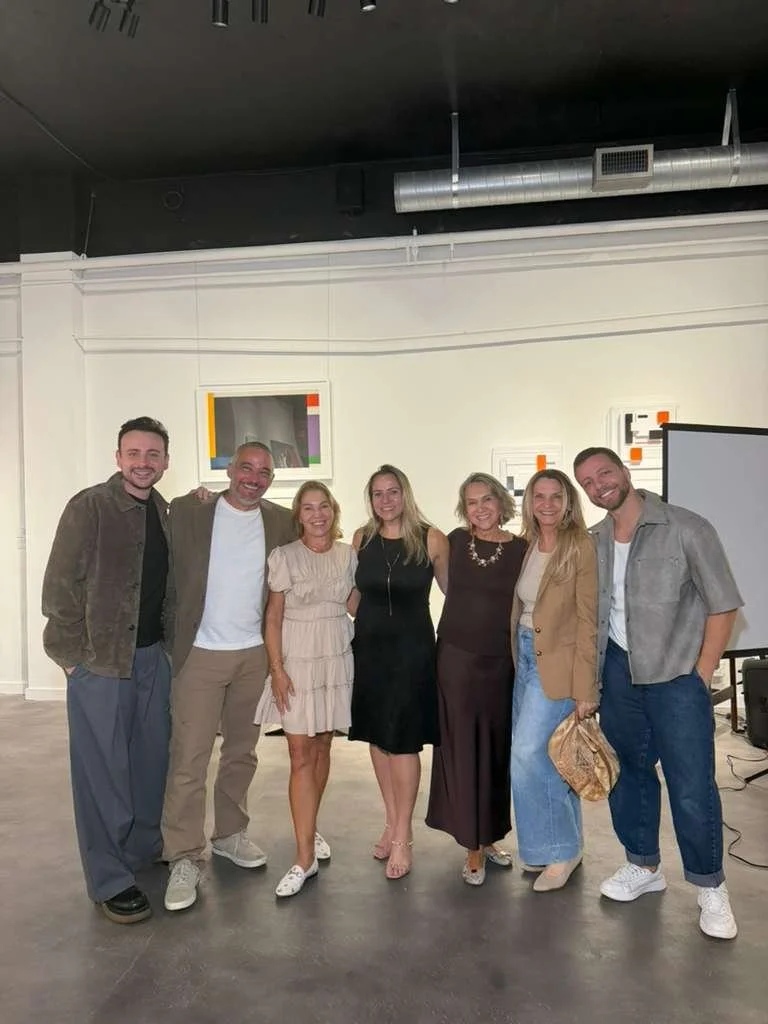
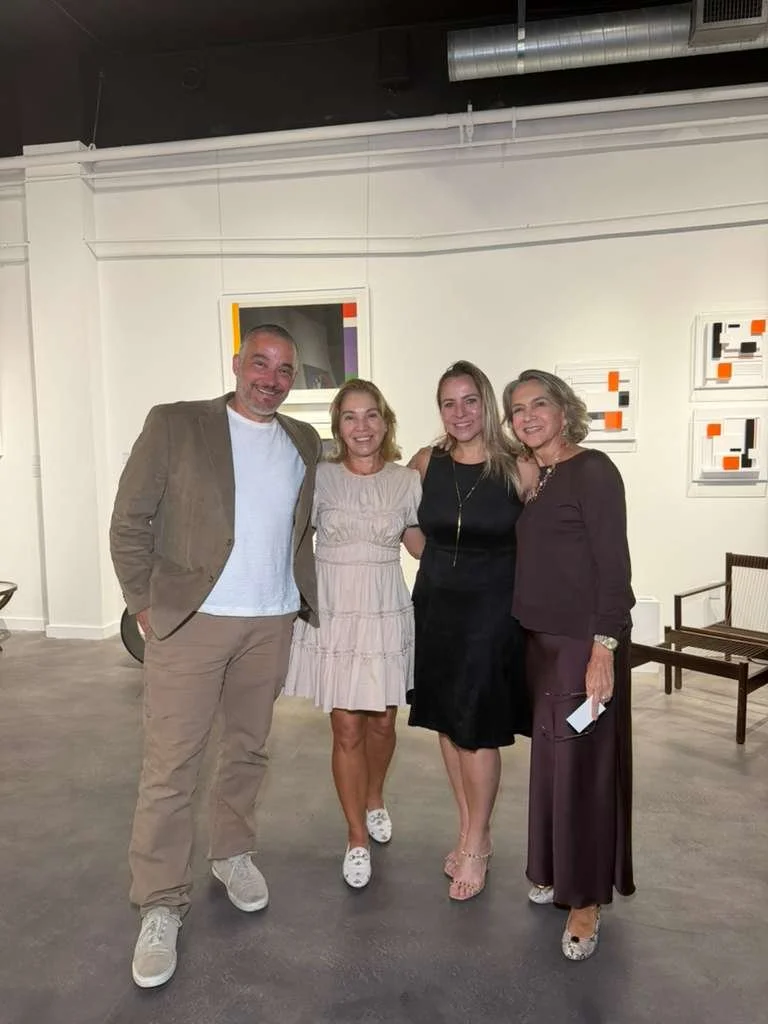
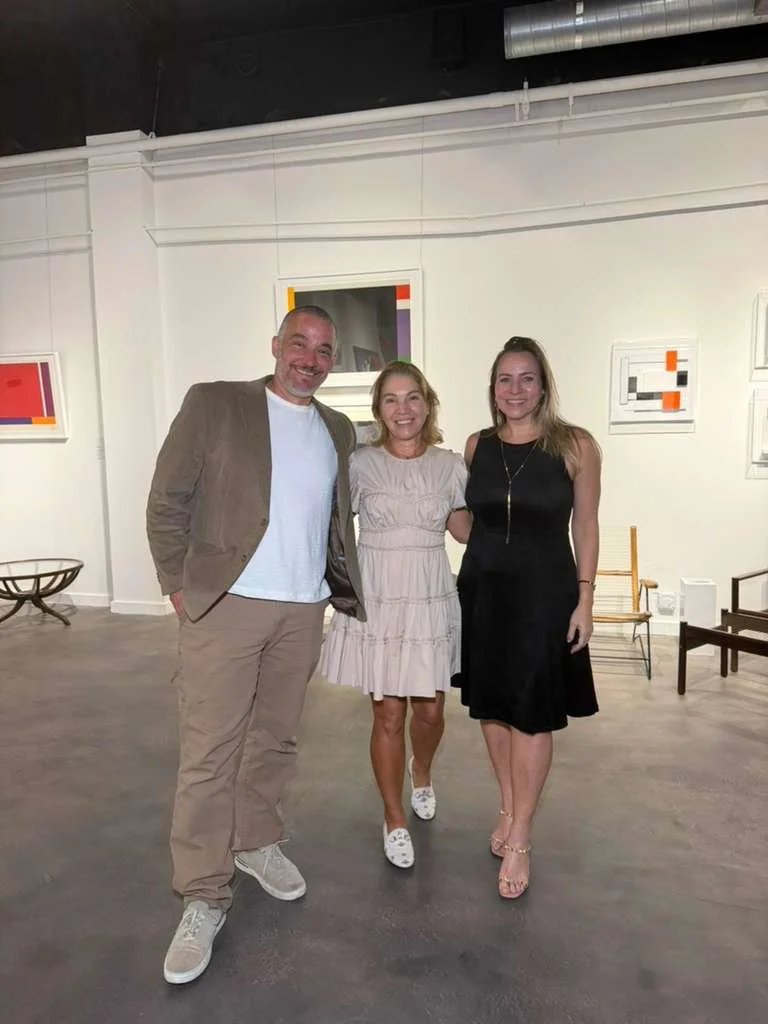
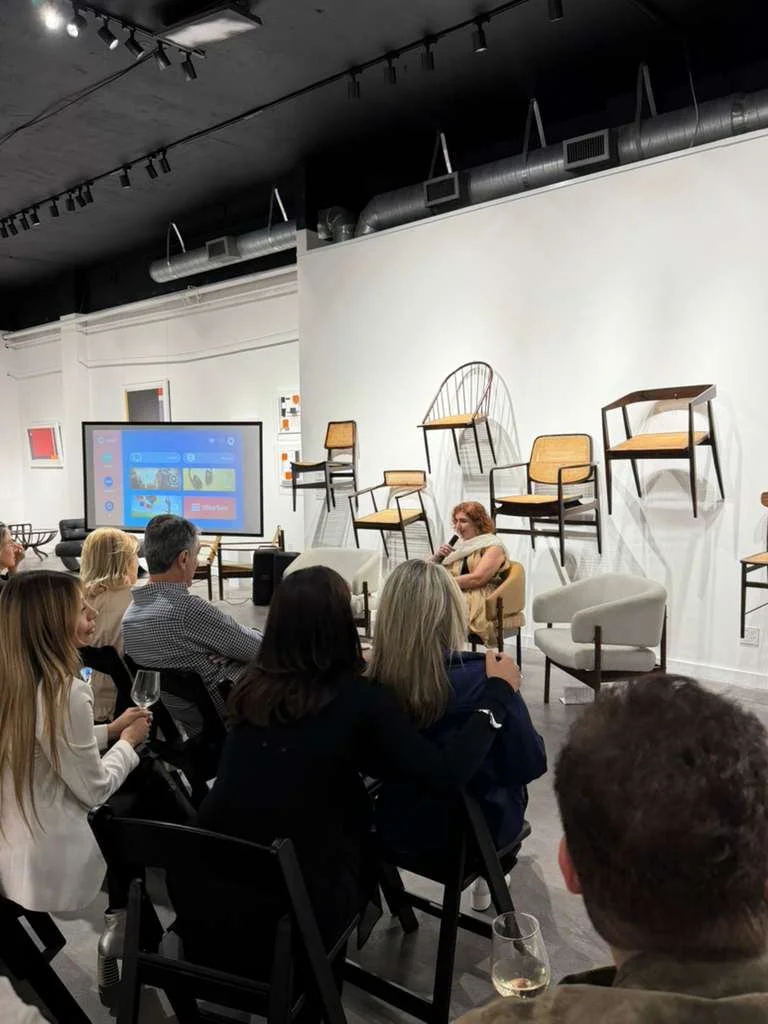
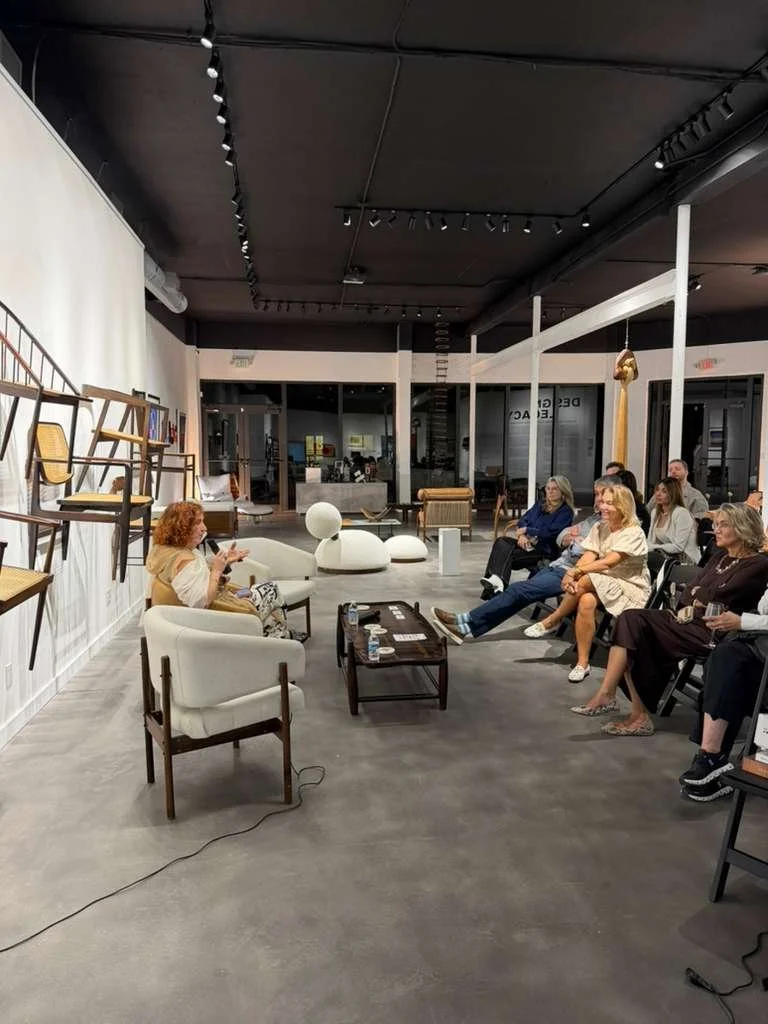
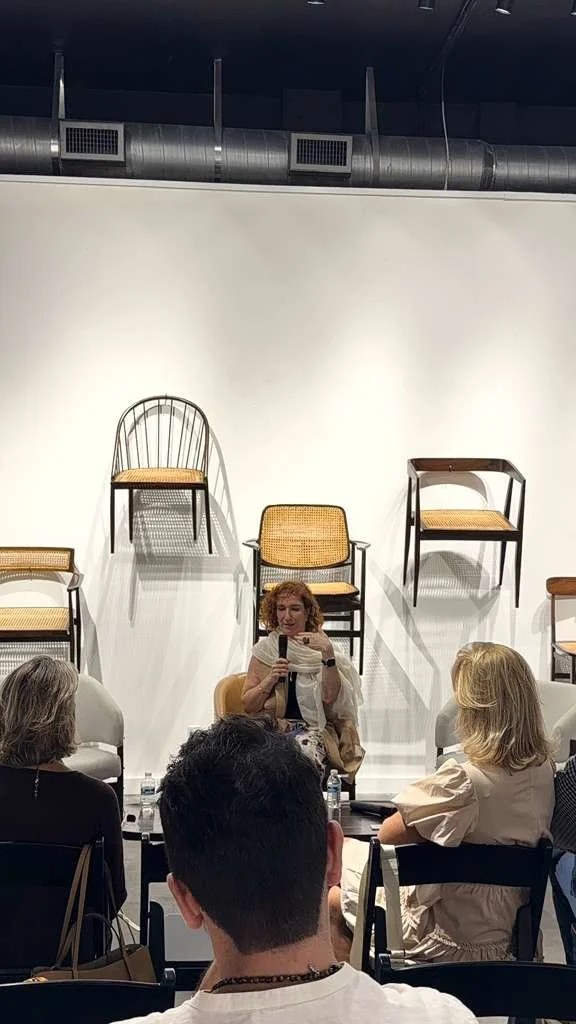
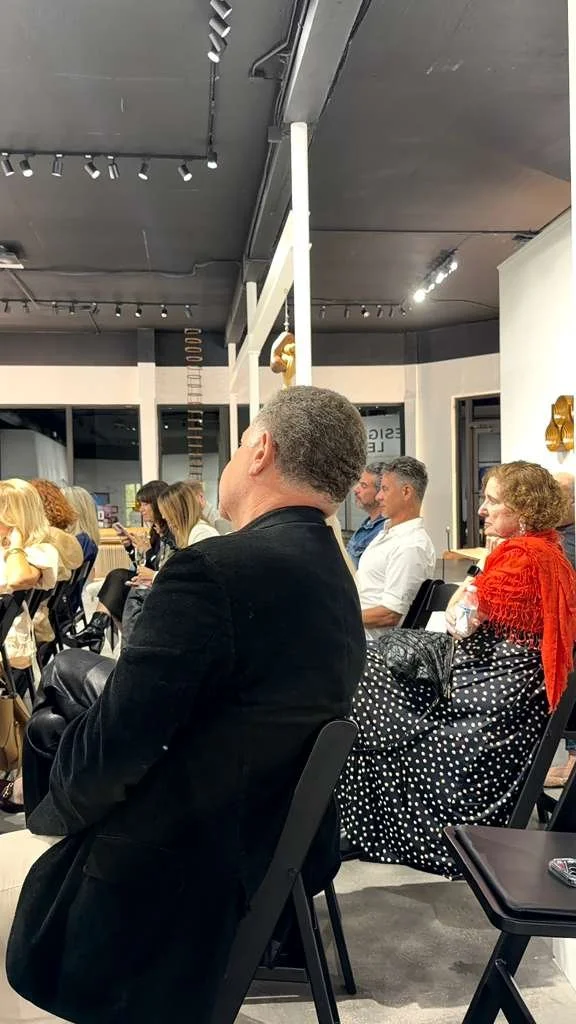
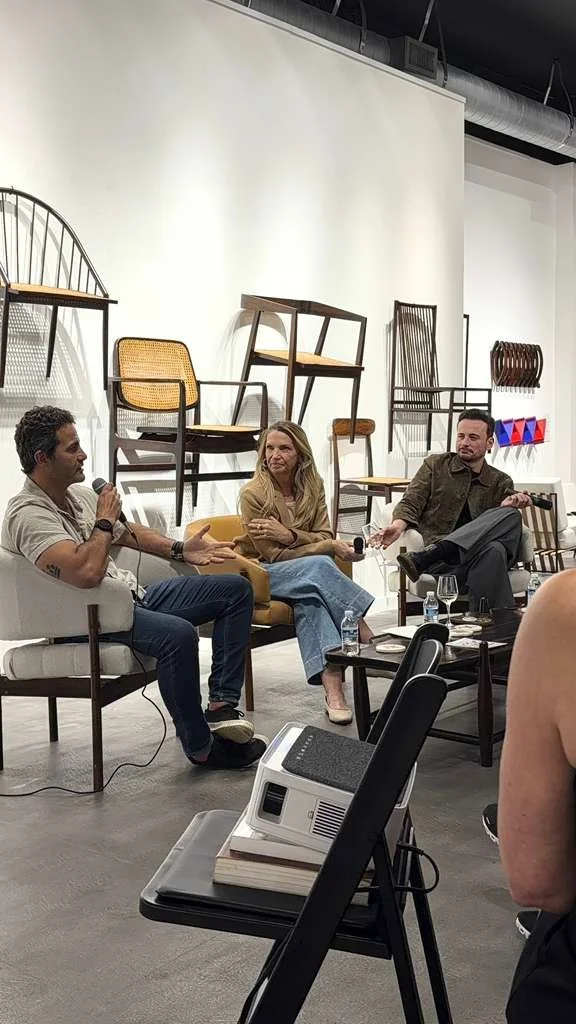
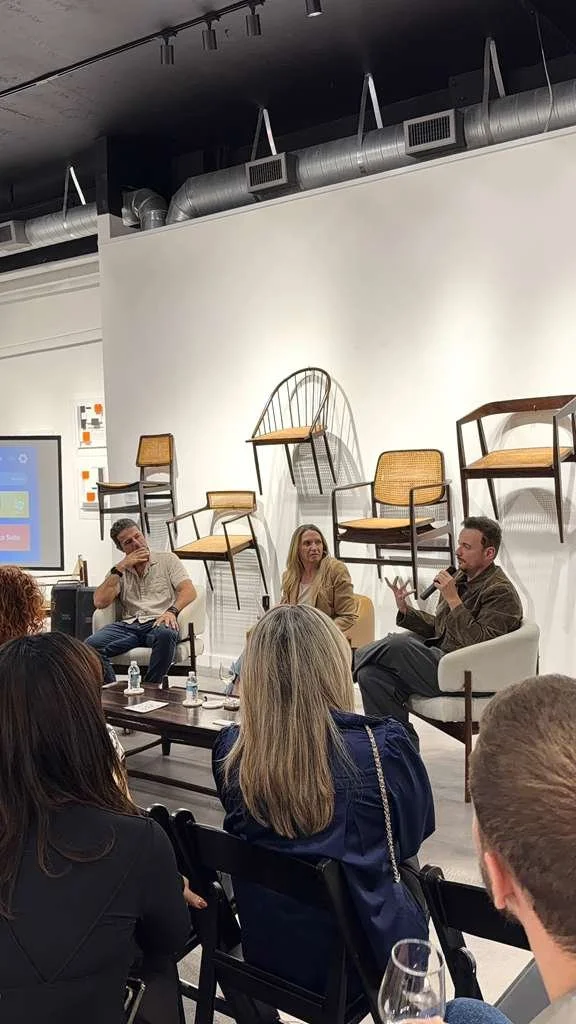
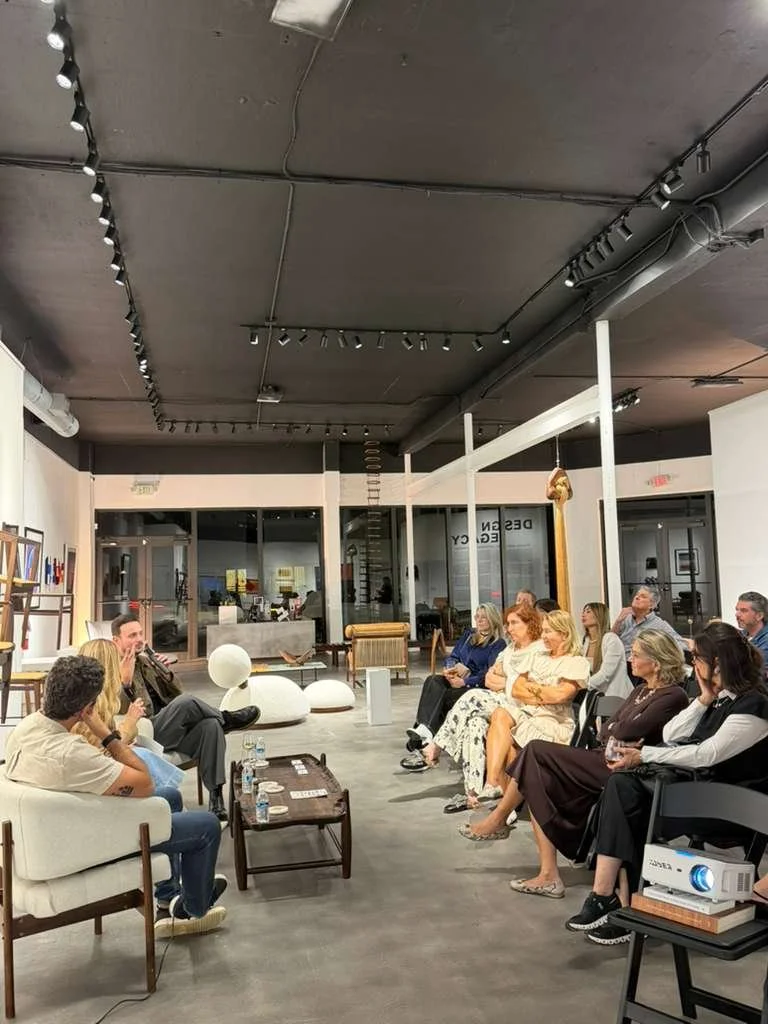
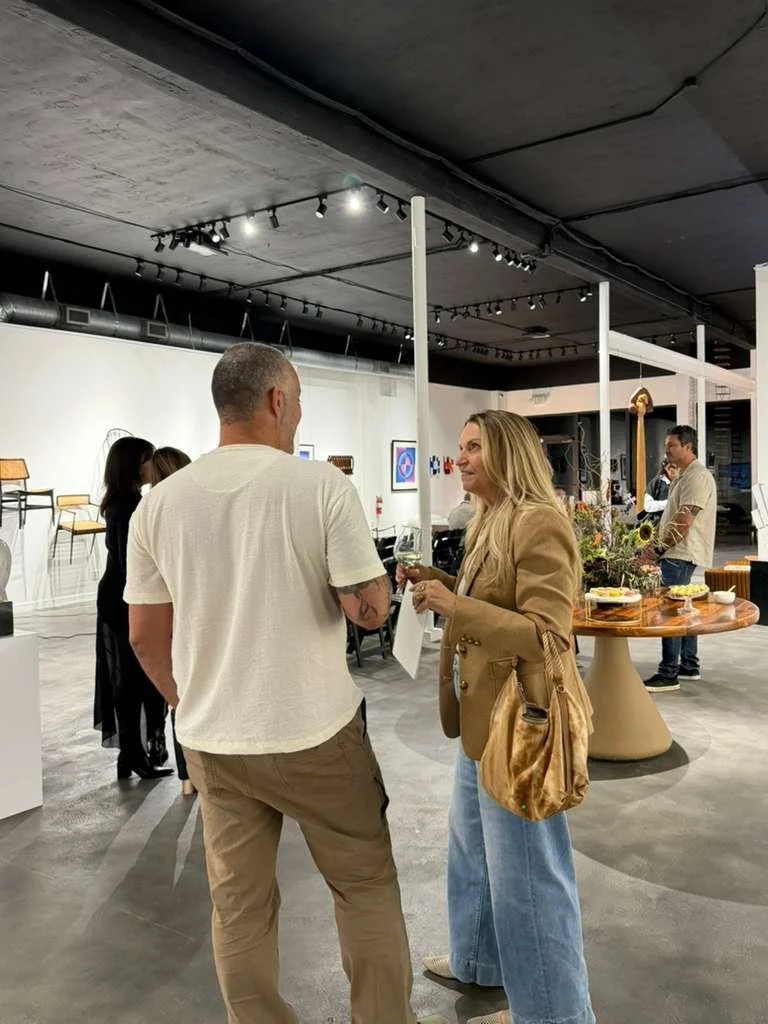
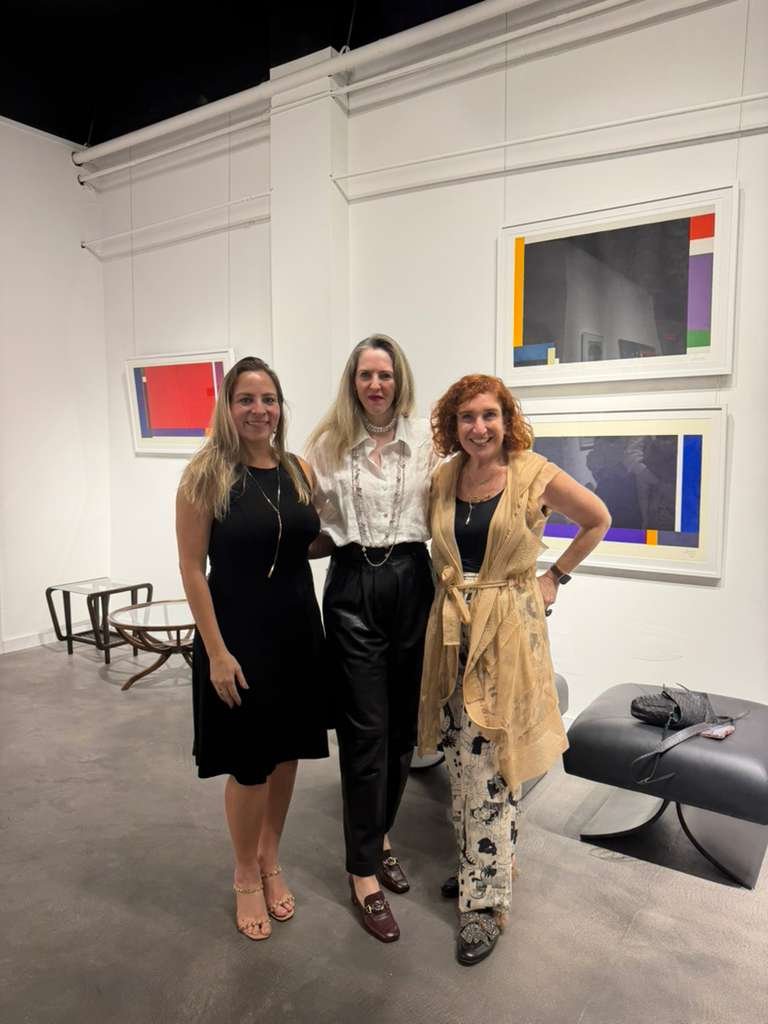
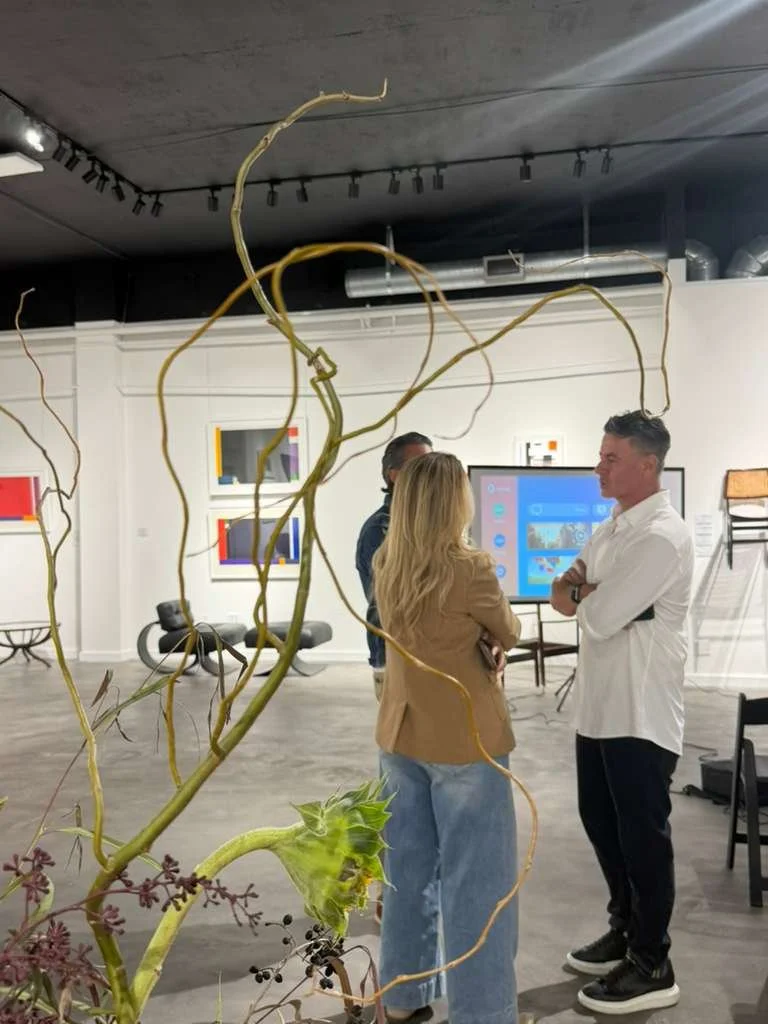
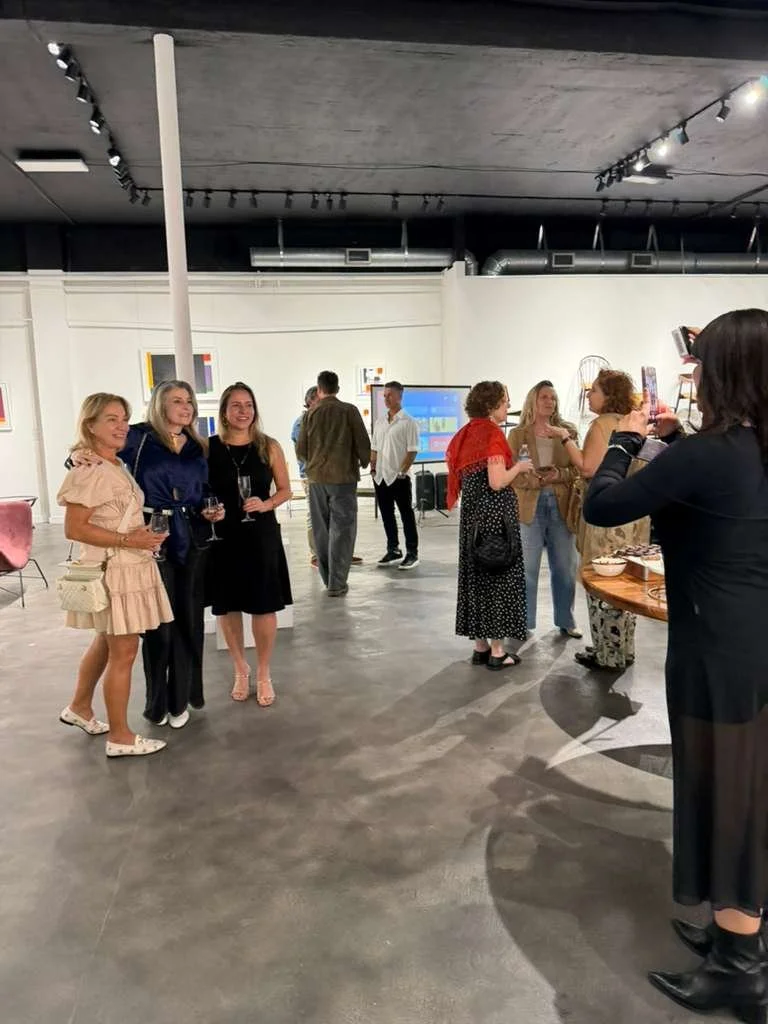
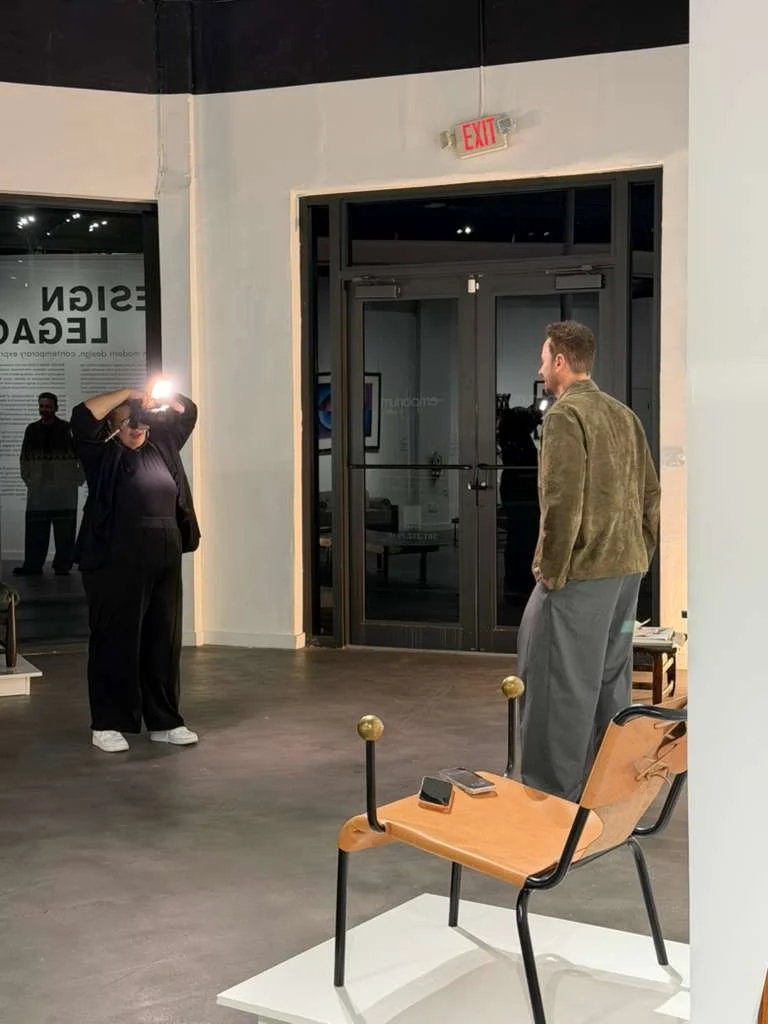
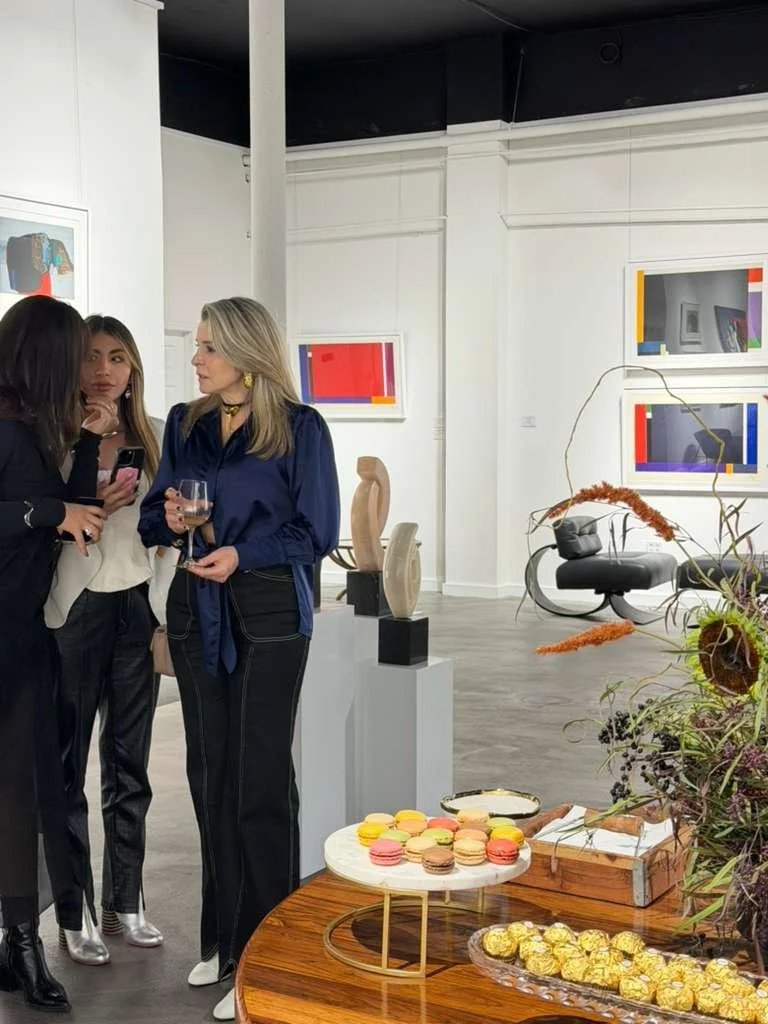
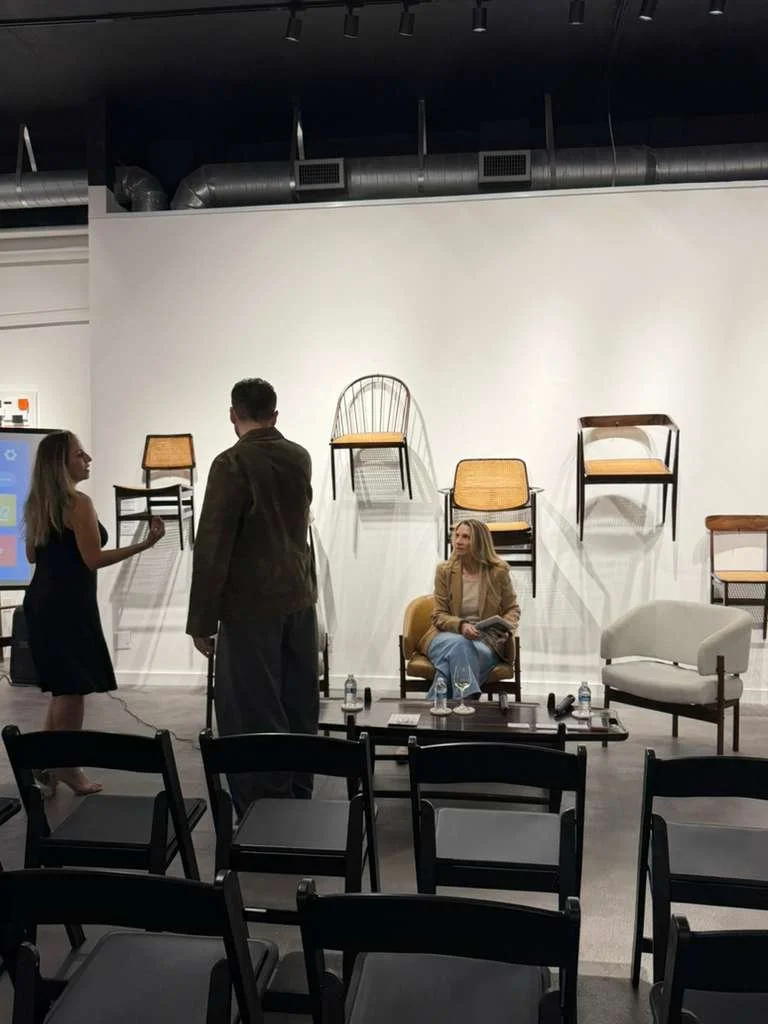
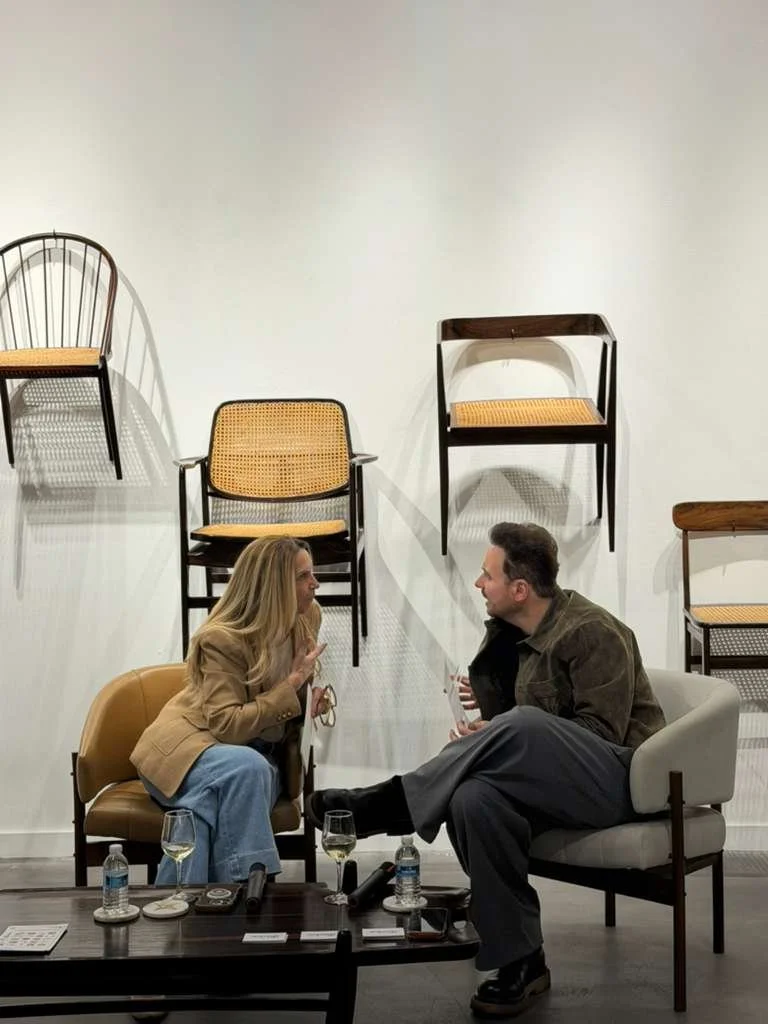
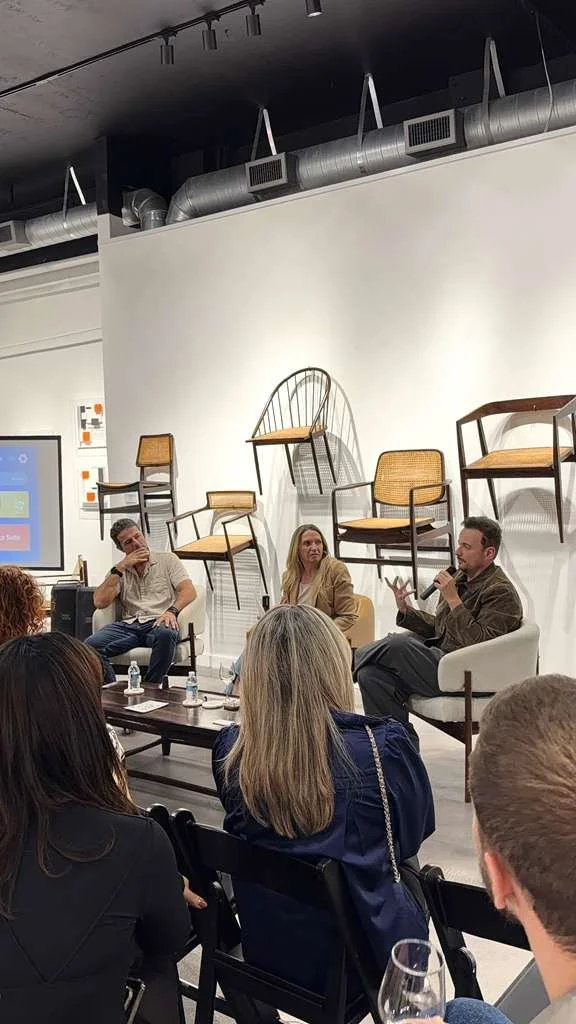
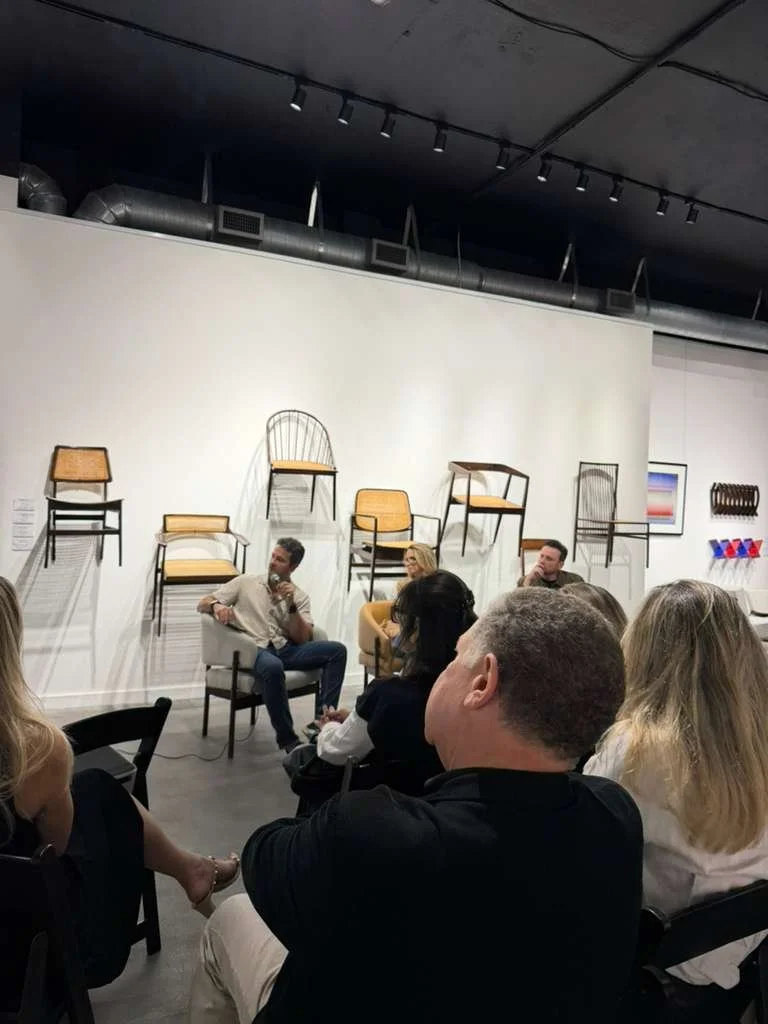
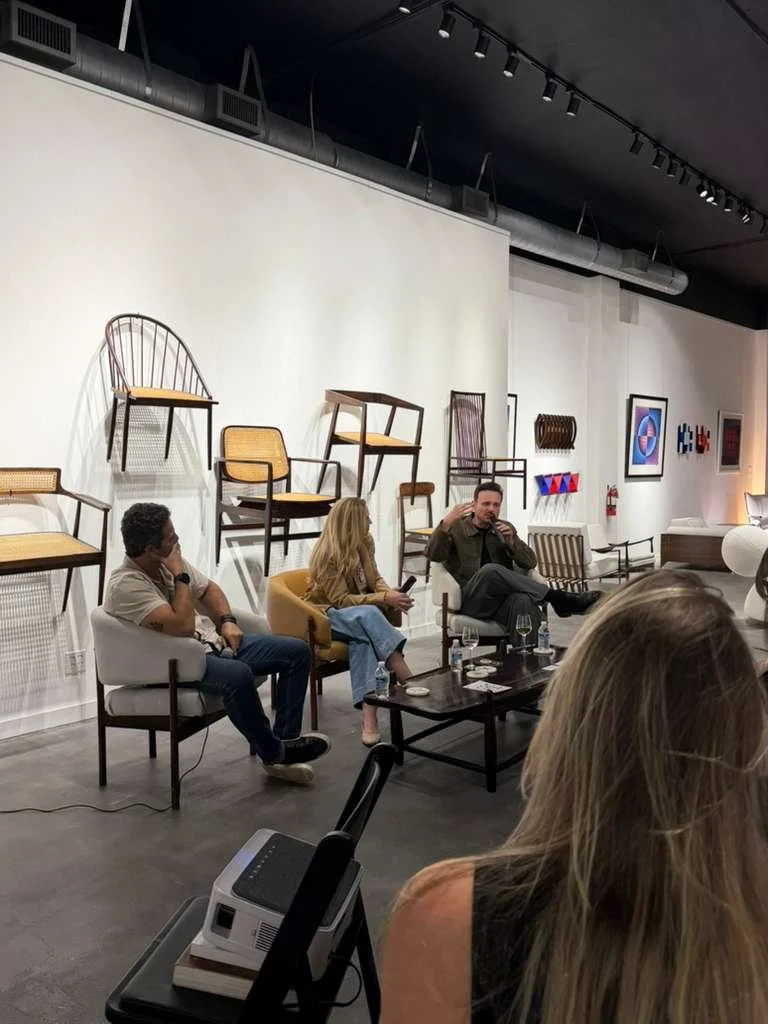
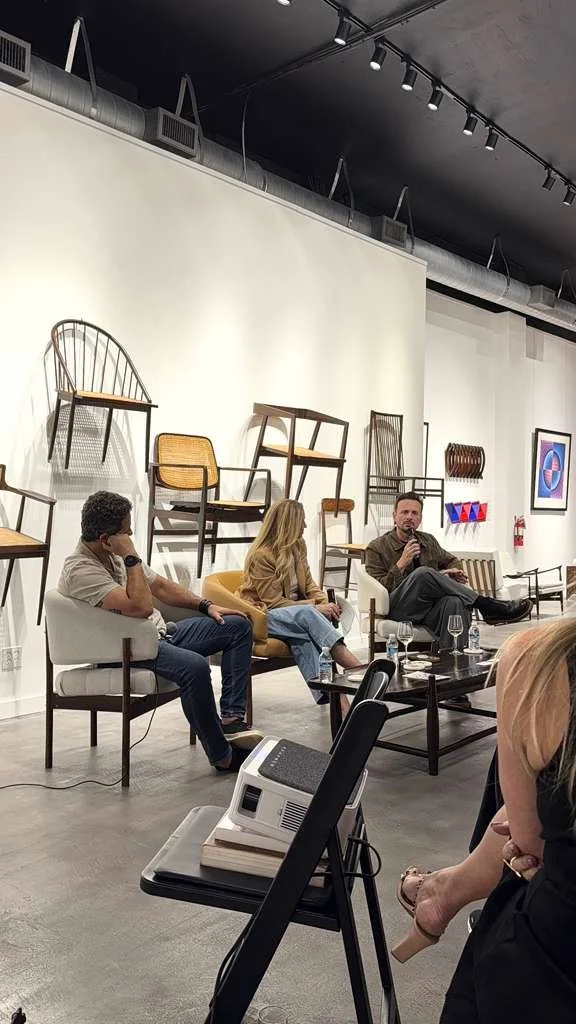
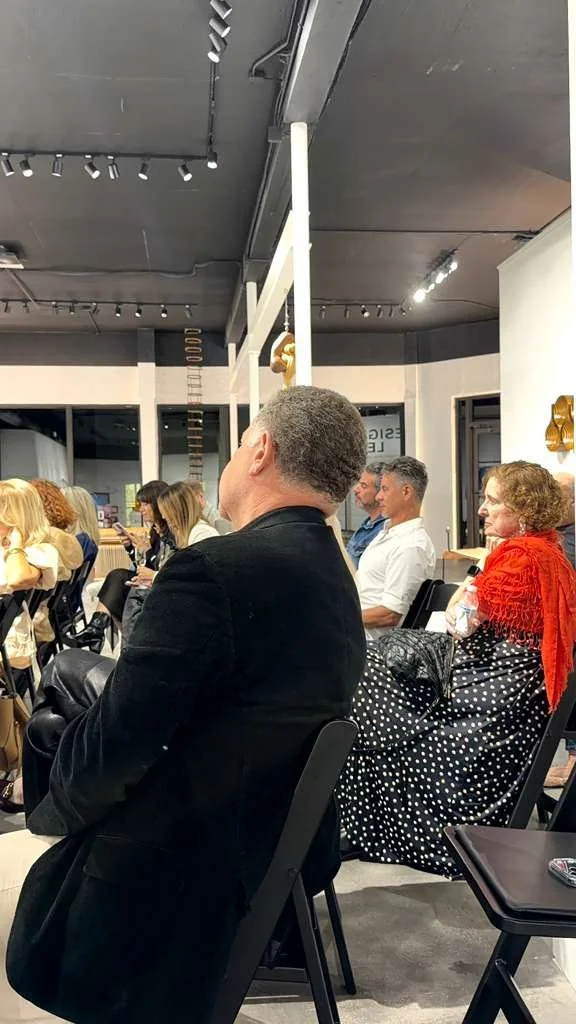
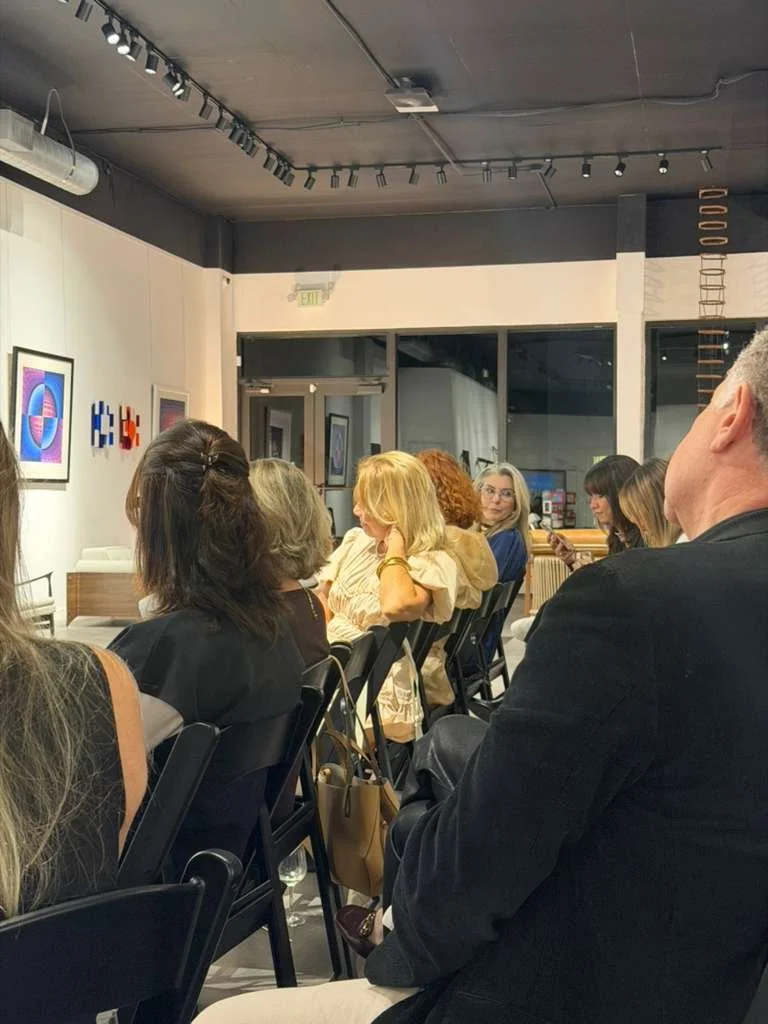
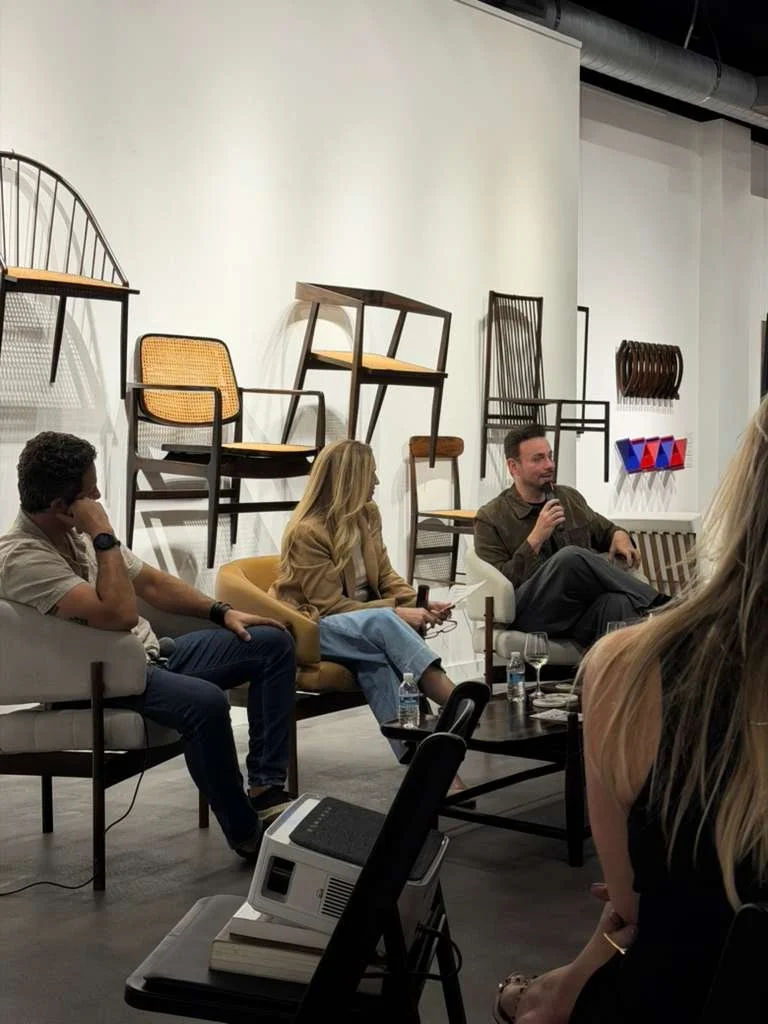
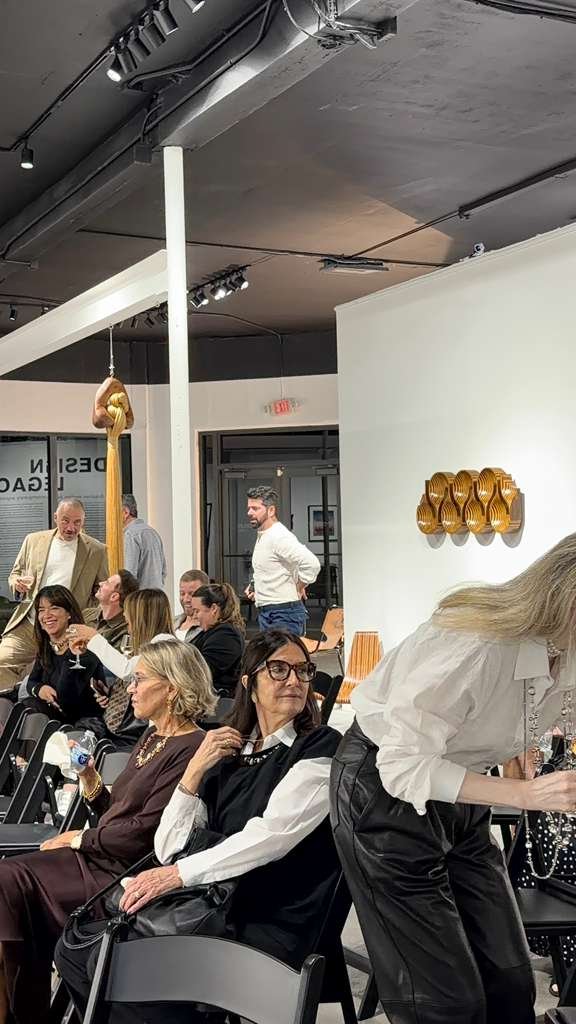
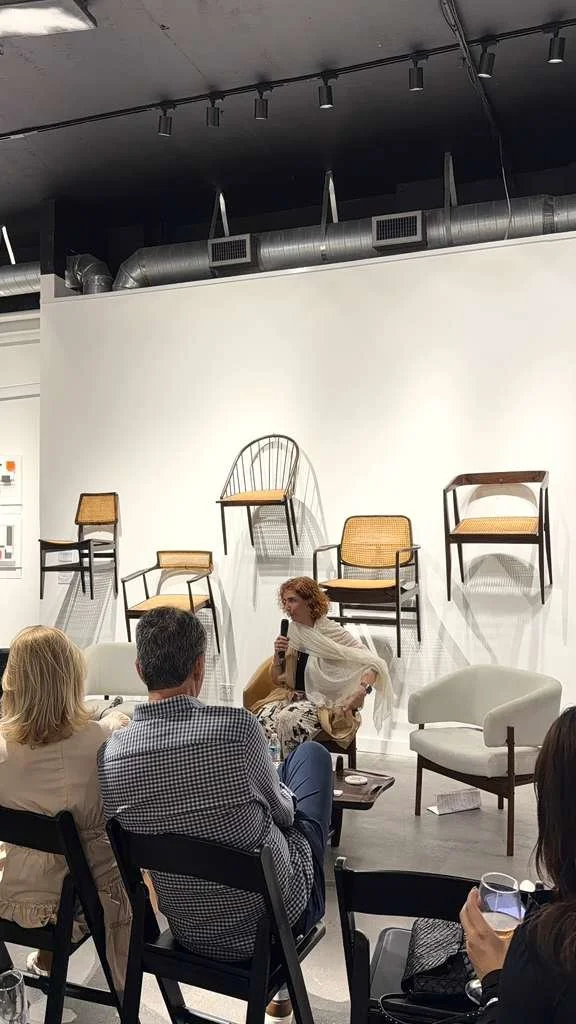
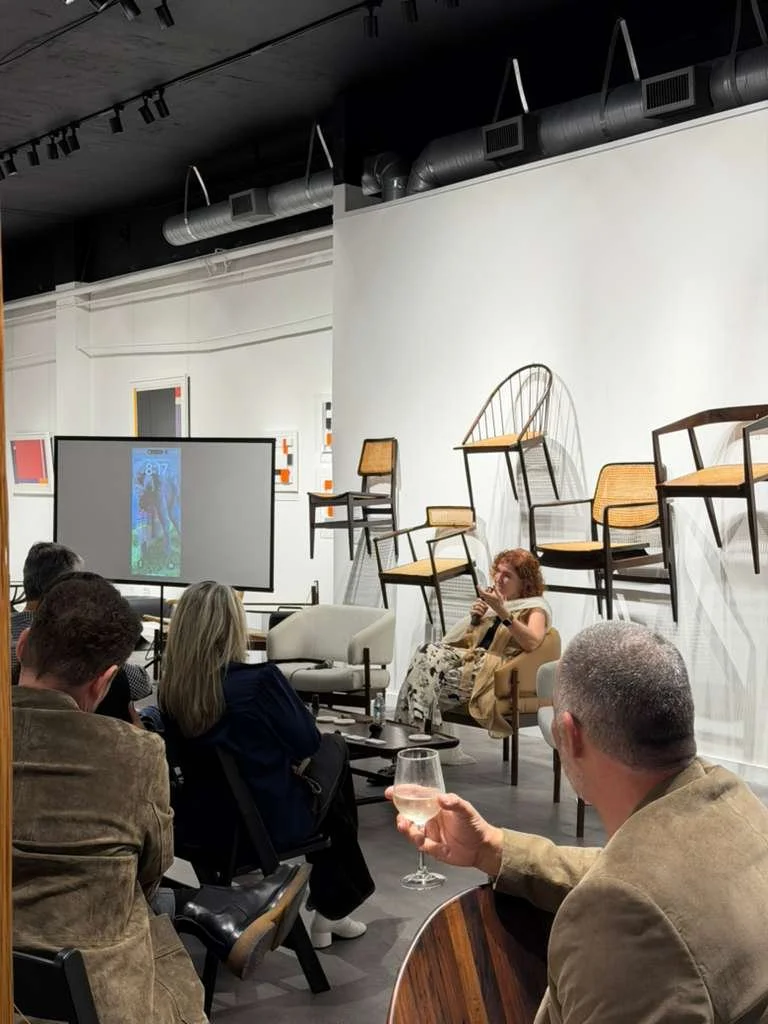
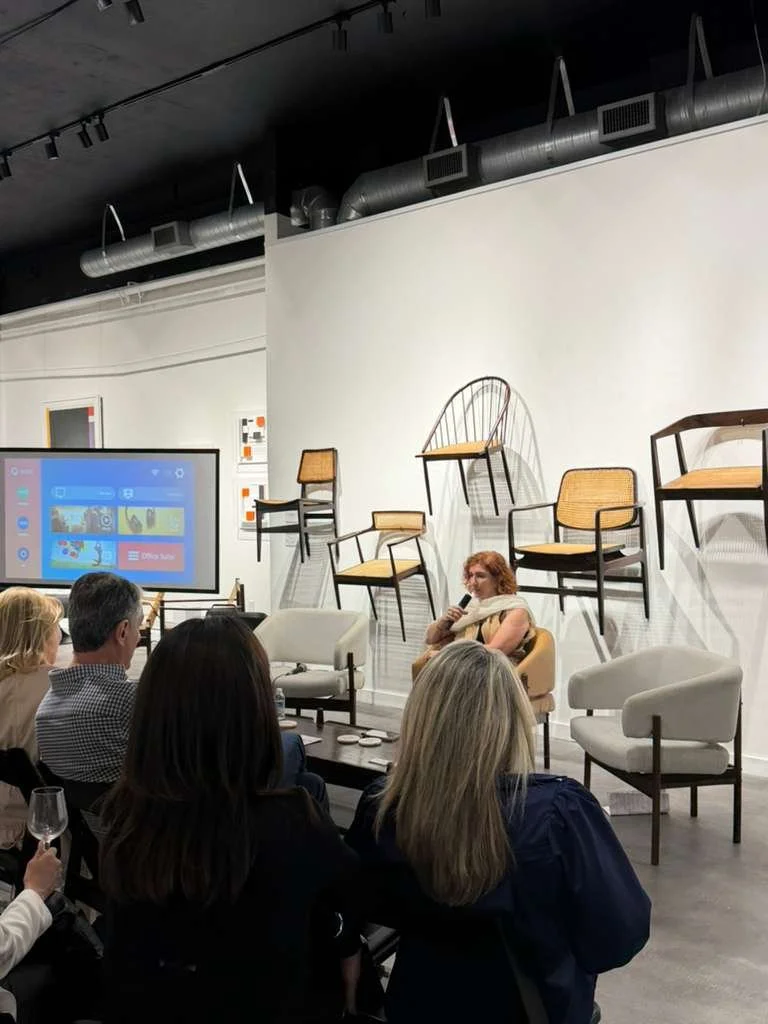
Emporium B Gallery reaffirmed its role as a space for thought and dialogue by hosting a series of talks that expanded the experience of the exhibition Design Legacy — Brazilian Modern Design, Contemporary Expressions. More than a parallel program, these gatherings became a living extension of the show, bringing forward in-depth discussions on art, design, cinema, spirituality, and contemporary creative processes.
Moderated by journalist and TV presenter Maria Fulfaro, the two sessions—held on November 21 and December 1—brought together leading voices from different creative fields, fostering a sophisticated, multidisciplinary exchange aligned with the gallery’s curatorial vision.
Visual narratives and the construction of atmosphere
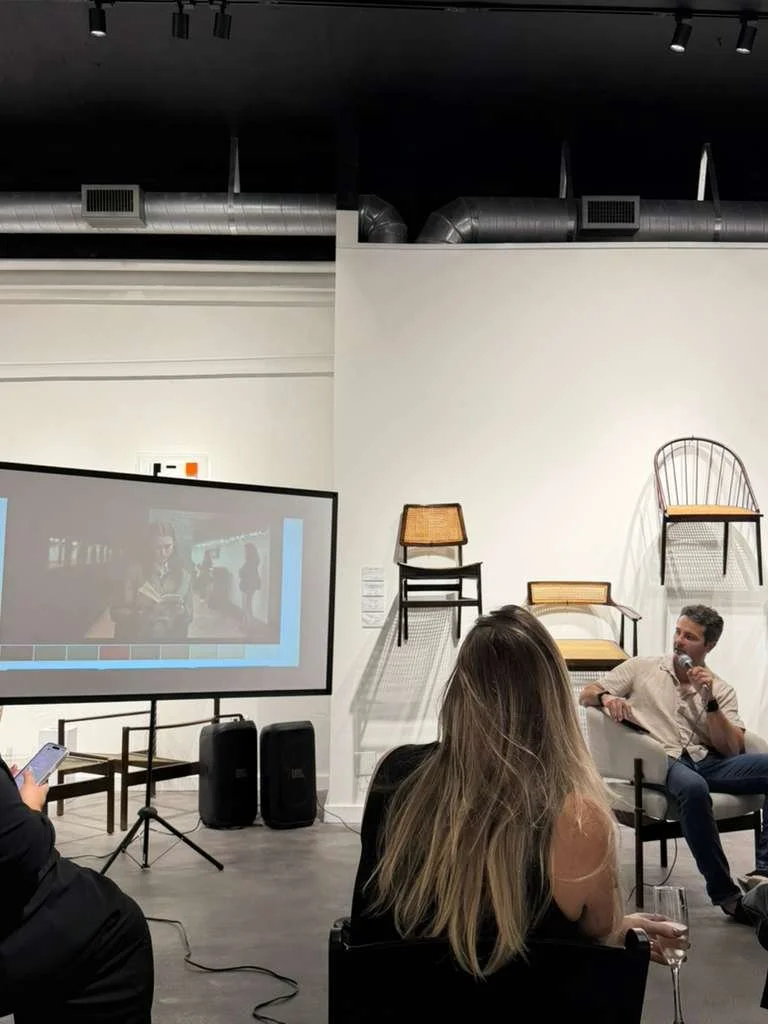
Opening the program on November 21, the panel featuring Marcelo Galvão and Léo Fuchs offered a compelling reflection on the role of art direction and production in shaping visual narratives in a multiplatform era.
The discussion highlighted how art direction goes beyond aesthetics to become a structural element of storytelling—responsible for building atmosphere, rhythm, and identity. Art production, in turn, was presented as the force that materializes creative vision, orchestrating teams, resources, and solutions to transform ideas into fully realized sensory experiences—across film, theater, television, and digital media.
When function becomes expression
Following this, Adriana Lerner guided the audience into a space where art, design, and sustainability intersect seamlessly. In her panel, the artist and founder of Arrivals Gate introduced the concept of “work (of) into art,” exploring how functional objects can be transformed into platforms for artistic expression.
Through collaborations with artists and the use of textile techniques such as cashmere work, Adriana emphasized the value of craftsmanship, shared authorship, and responsible production. Her creations embody a contemporary perspective in which aesthetics and function coexist, resulting in objects that move fluidly between the everyday and the artistic with intention and meaning.
Design, spirituality, and the identity of spaces
During the second session, held on December 1, the conversation deepened to explore the impact of design in shaping sensory and emotional experiences.
Designer Jesús Pacheco introduced the concept of spiritual design, reflecting on the creation of objects and environments that carry intention, symbolism, and emotional depth. His approach suggested that design can serve as a channel for connection—not only aesthetic, but also emotional and energetic.
Complementing this perspective, interior designer Luciana Junqueira emphasized the importance of collectible design and original art in creating authentic spaces. Her insights made clear how the thoughtful selection of pieces and artworks not only enhances projects but also builds unique narratives, elevating the identity of both residential and commercial environments.
Curatorship and the future of Brazilian design
Closing the program, the final panel offered both an insider’s perspective and a forward-looking view on Brazilian design.
Curators Alessandra Dubois and Liana Rivas shared behind-the-scenes insights into the making of Design Legacy, discussing the criteria behind the selection of works, the development of the exhibition narrative, and the dialogue between modern and contemporary pieces.
Designers Lucas Caramés and Anna Maya then expanded the conversation by addressing contemporary furniture production in Brazil. They explored its challenges, material choices, authorial processes, and the growing international presence of Brazilian design.
The discussion underscored a key idea: the balance between tradition and innovation as the foundation for an authentic practice—one that engages globally while preserving its cultural identity.
A space beyond the exhibition
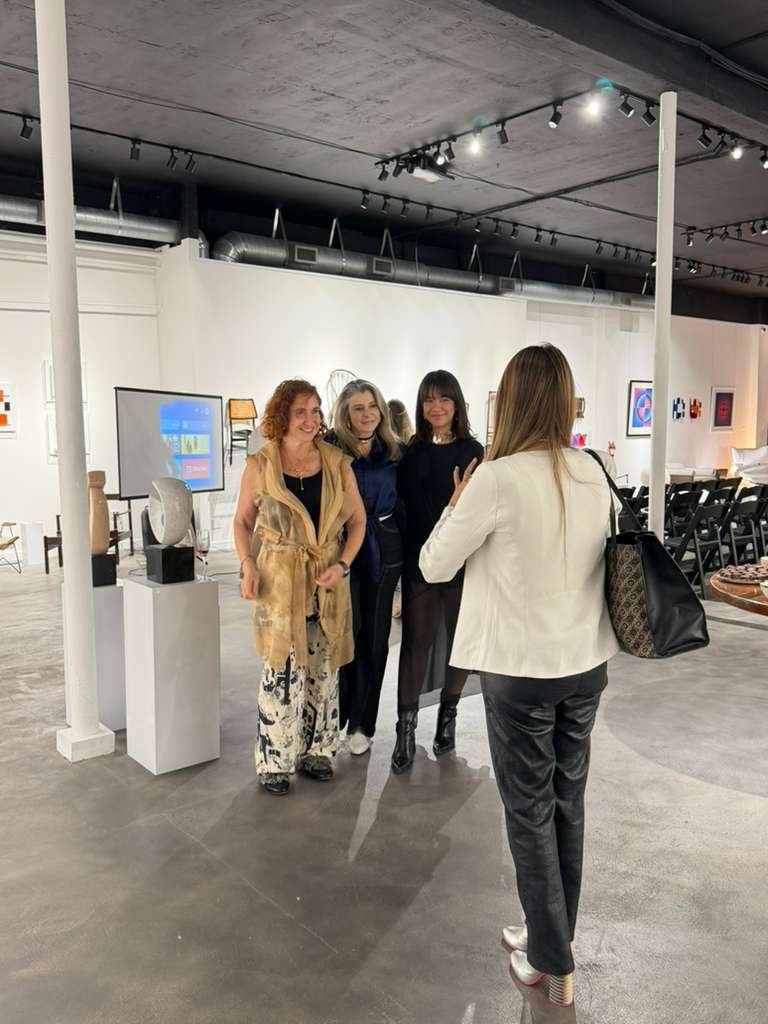
The Design Legacy talks highlighted the Emporium B Gallery as more than an exhibition space, positioning it as a platform for dialogue, connection, and intellectual exchange.
By bringing together diverse voices and perspectives, the gallery fostered not only meaningful conversations but also encounters that expand how we understand the role of art and design today. In an increasingly dynamic and interdisciplinary landscape, initiatives like these reinforce the importance of creating spaces where ideas circulate, evolve, and take on new forms.
More than following trends, Emporium B Gallery continues to actively shape a cultural dialogue that connects Brazil to the international stage.