Design Legacy: Where Brazilian Modernism Meets the Present
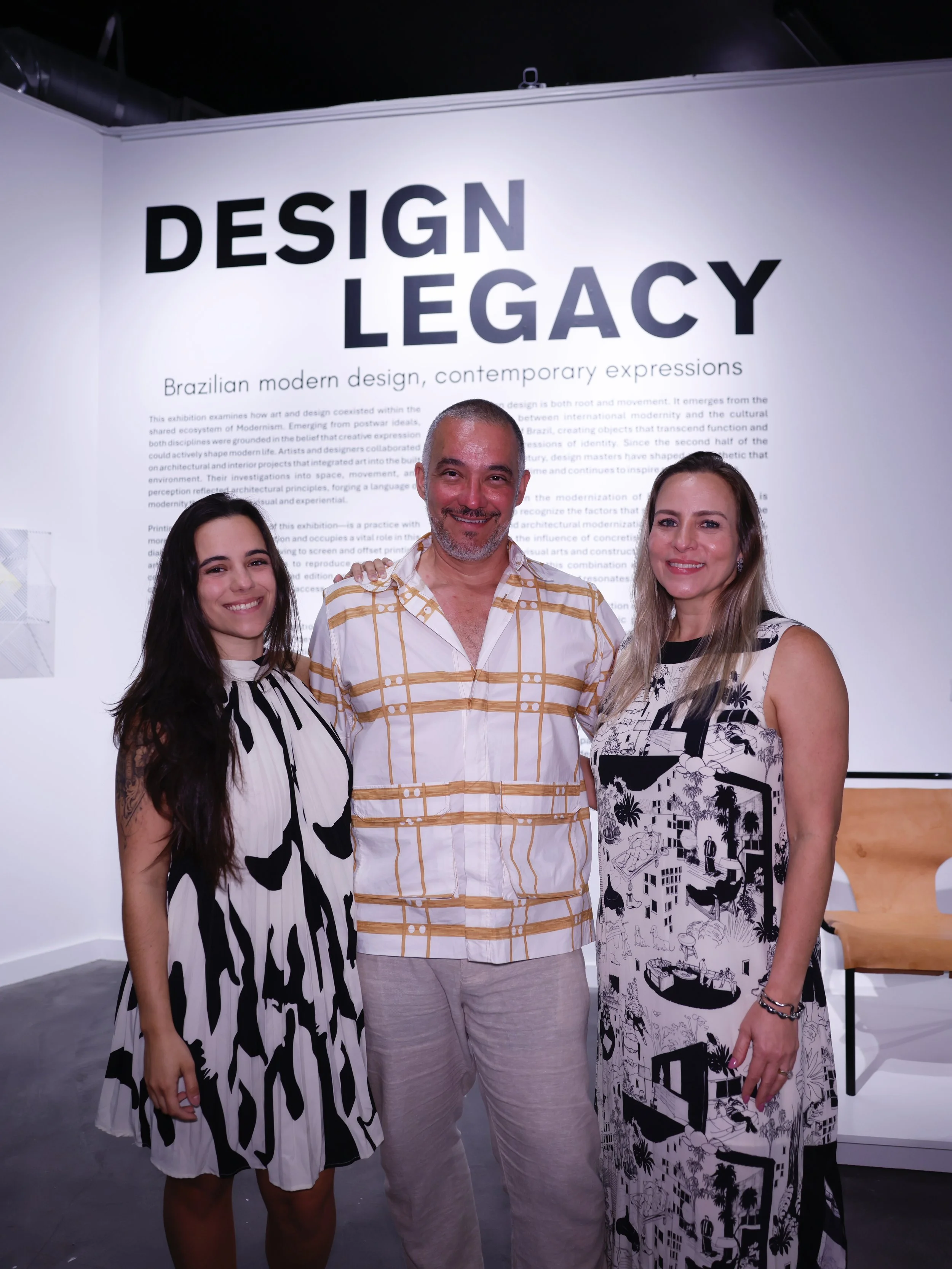
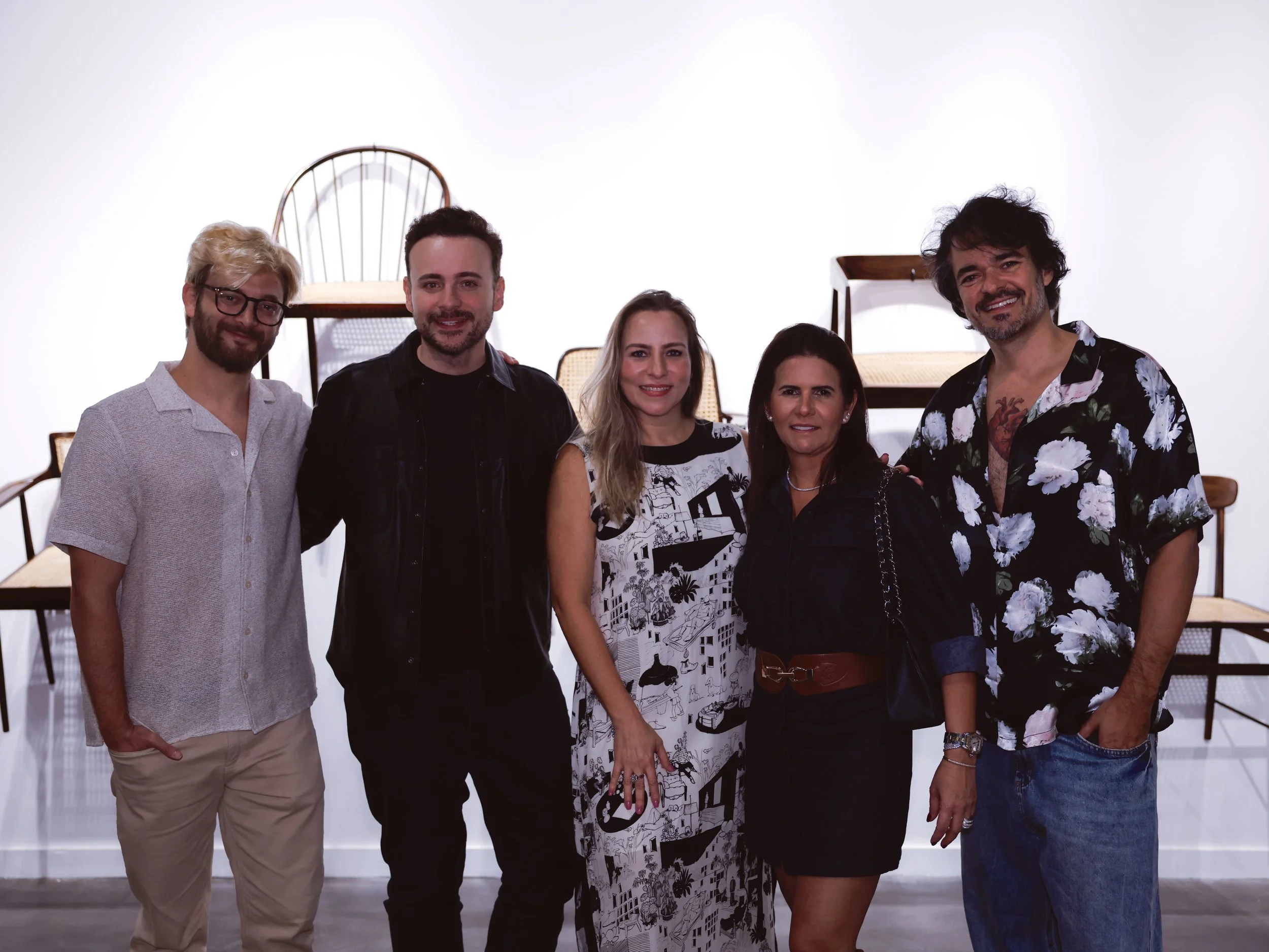
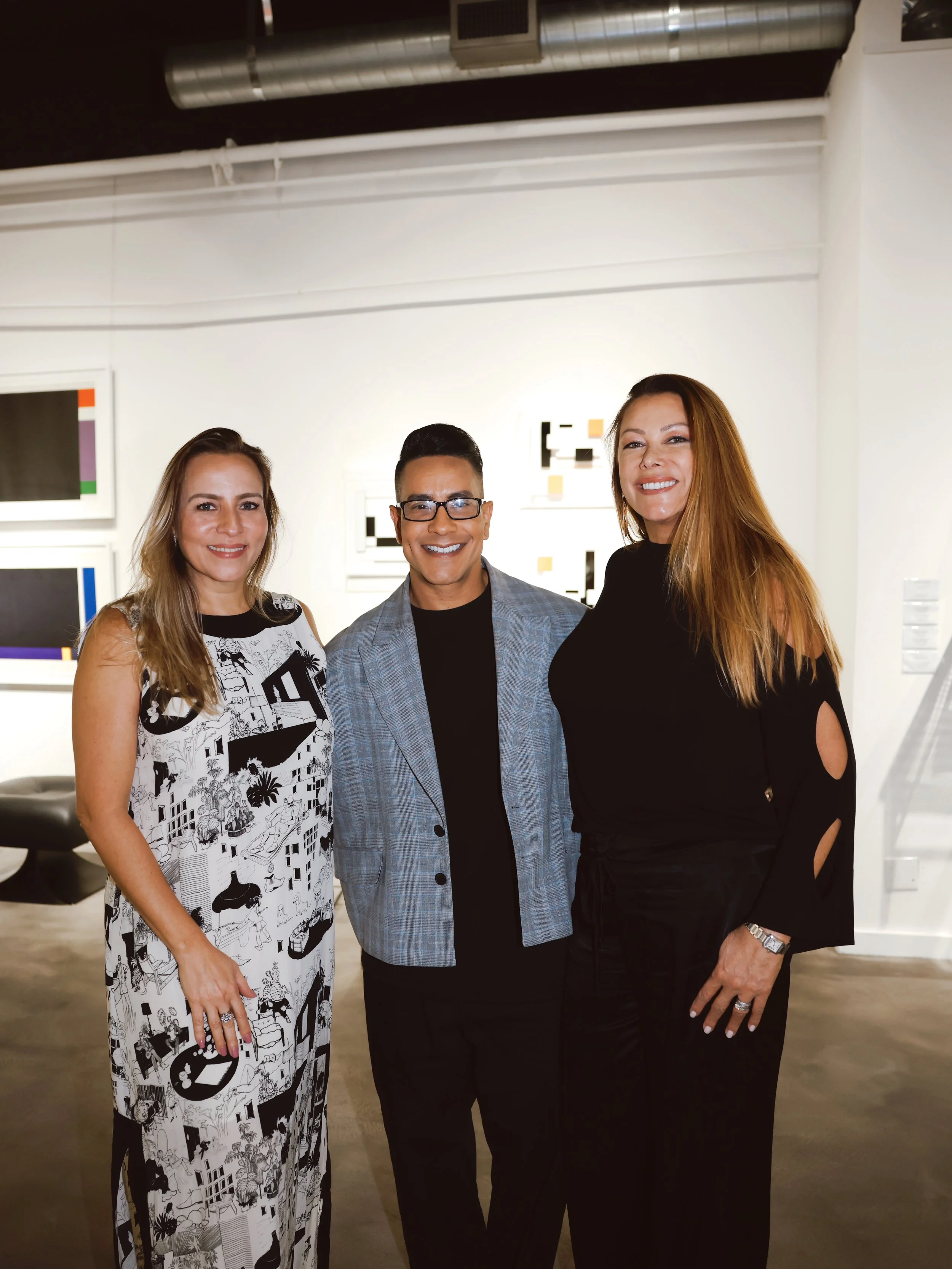
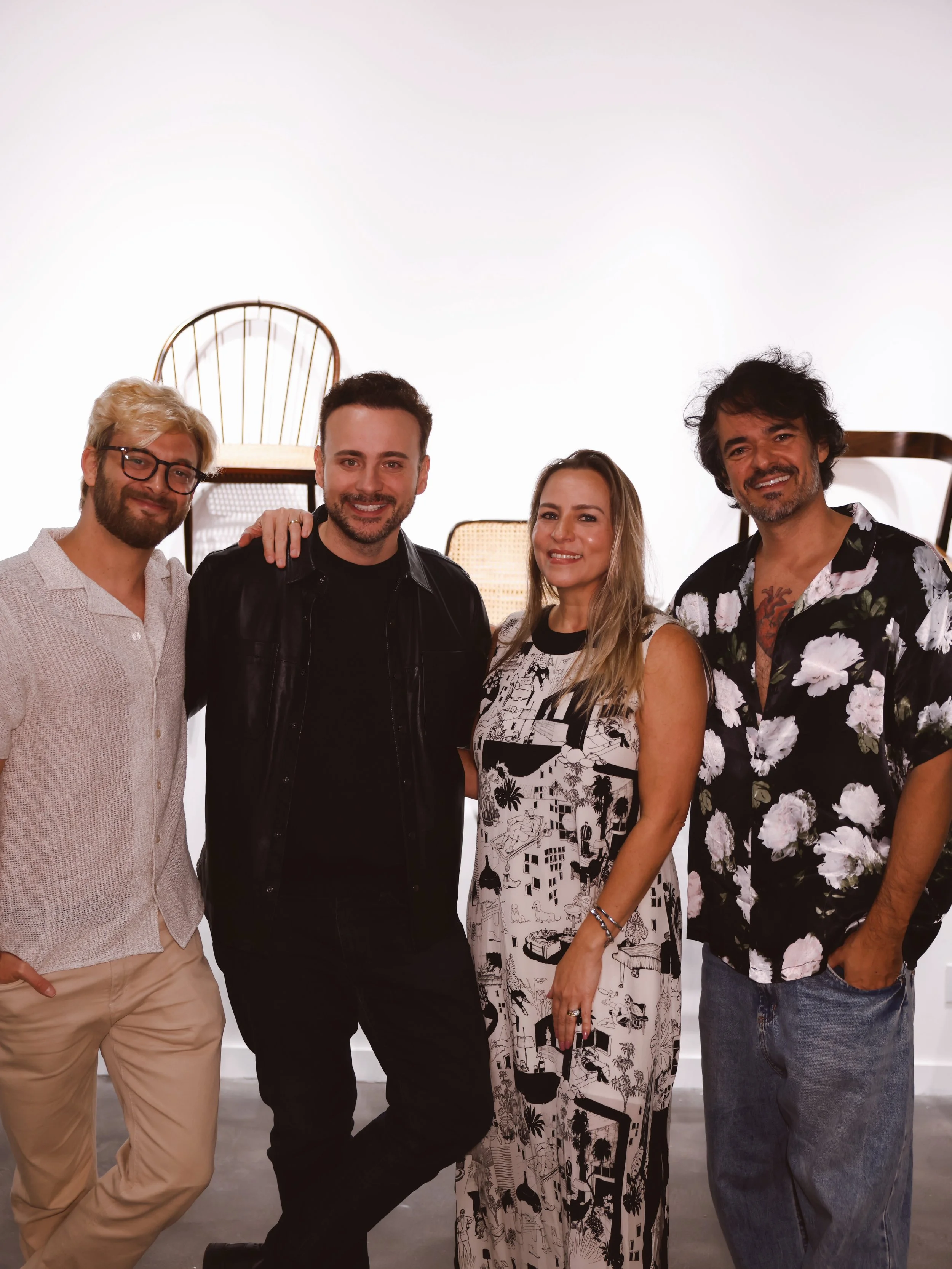
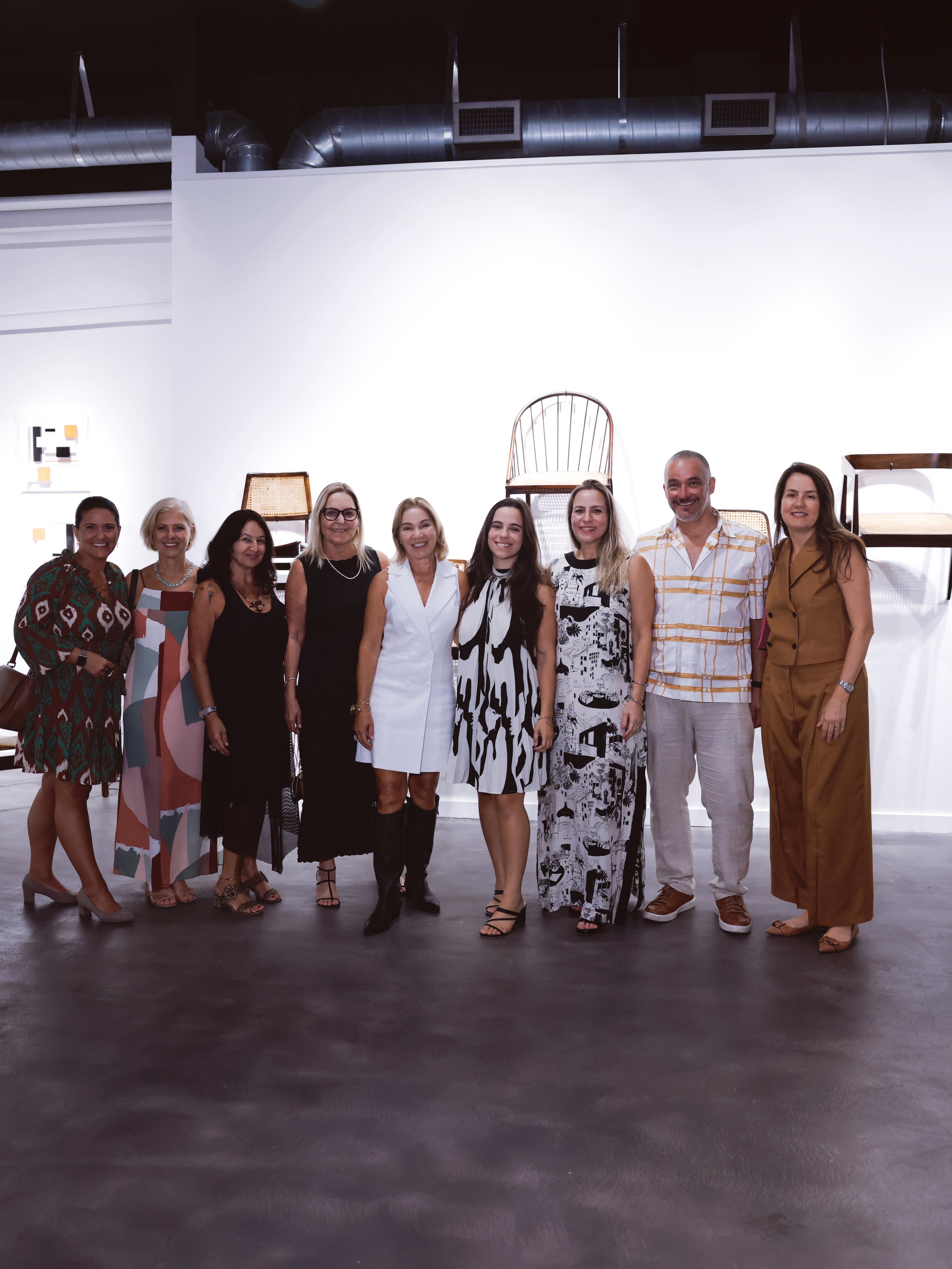
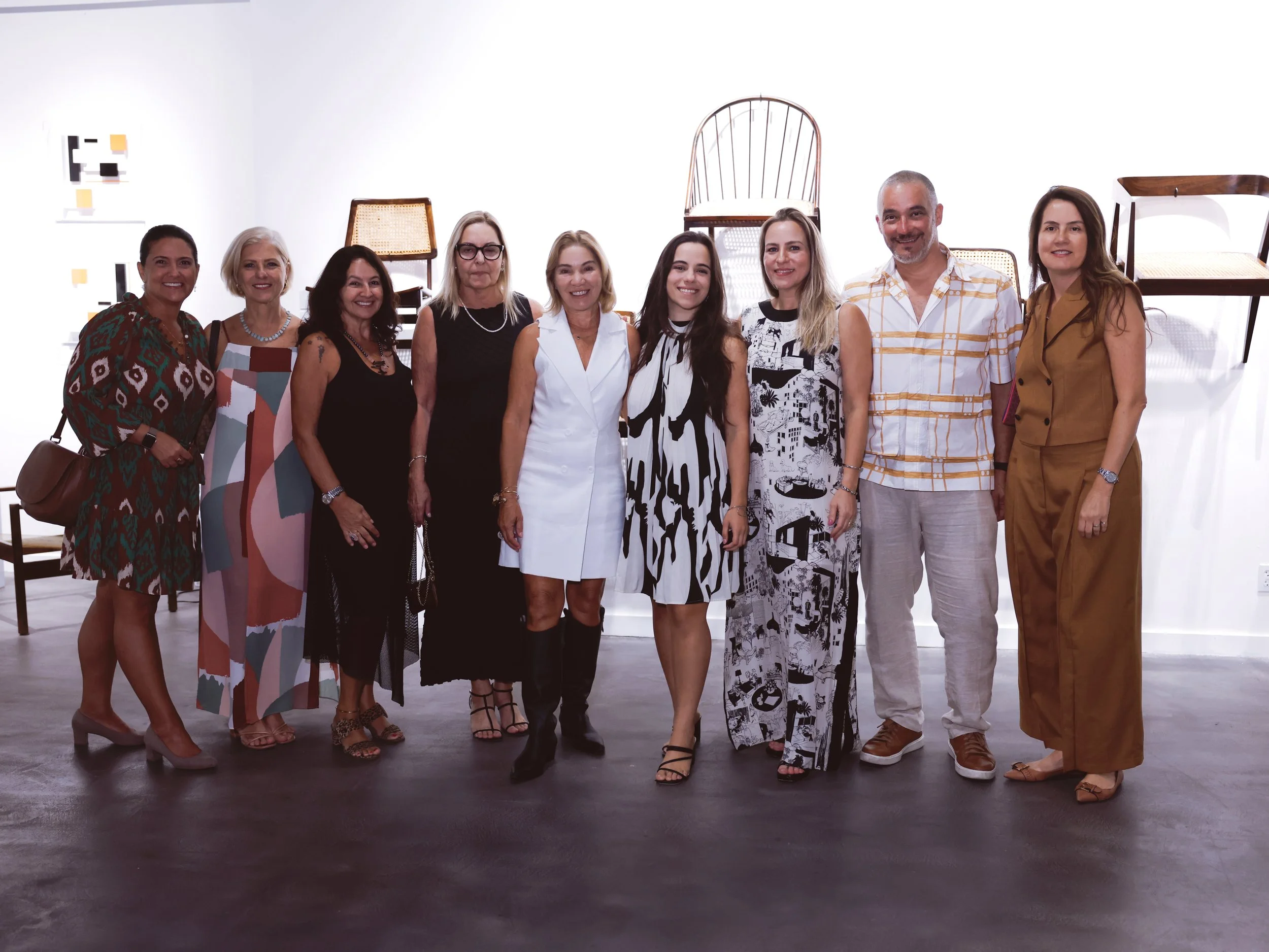
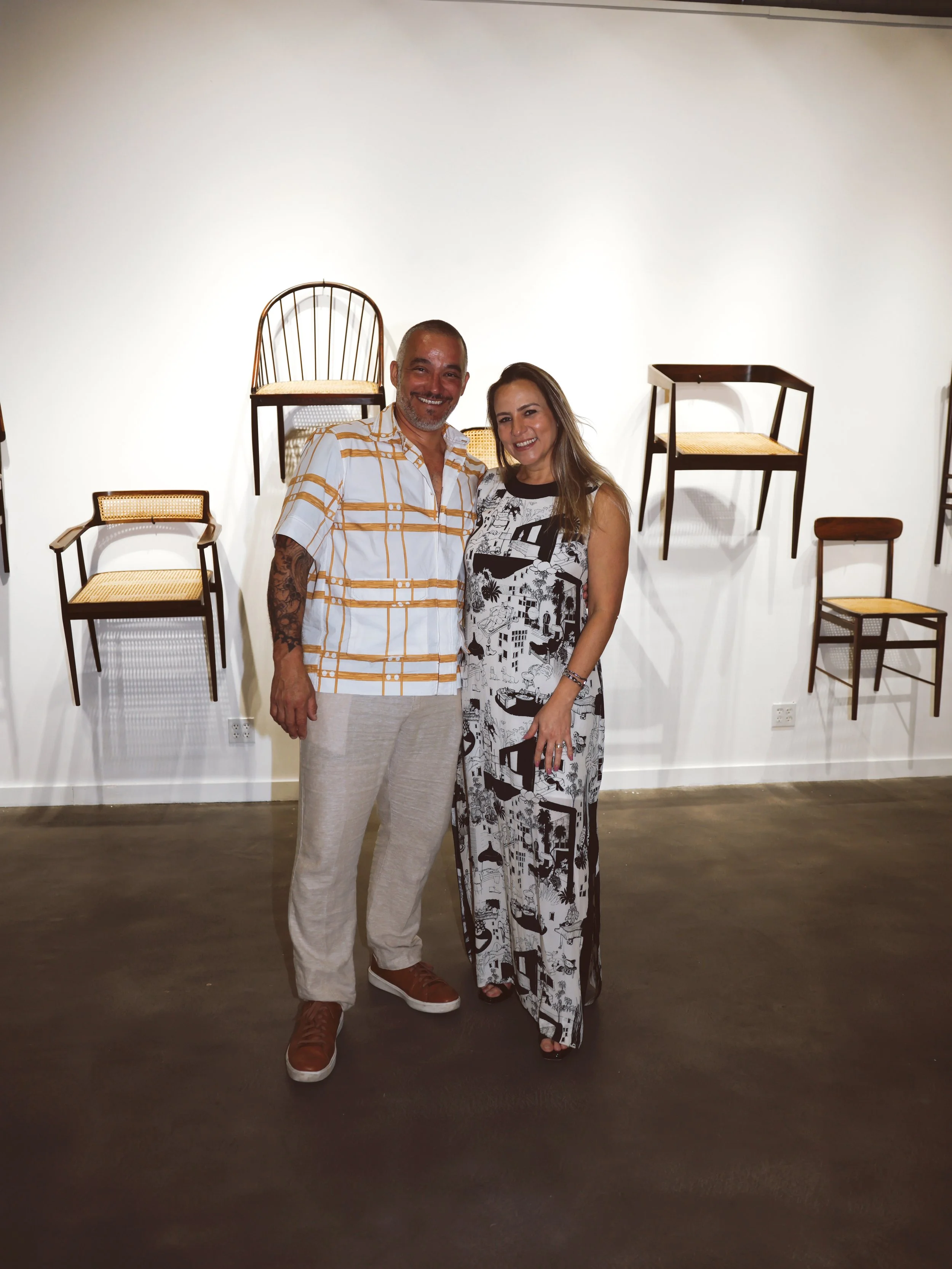
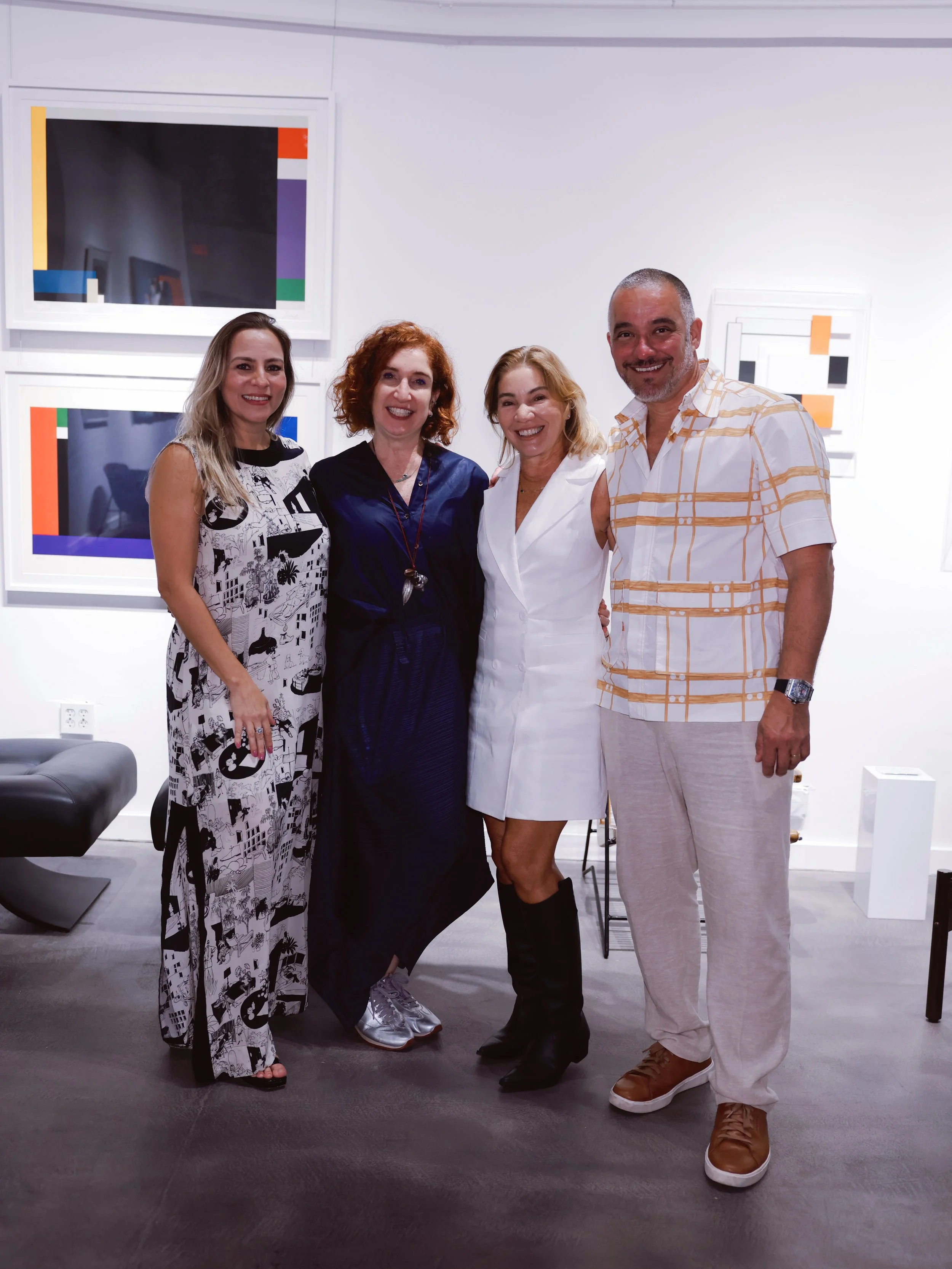
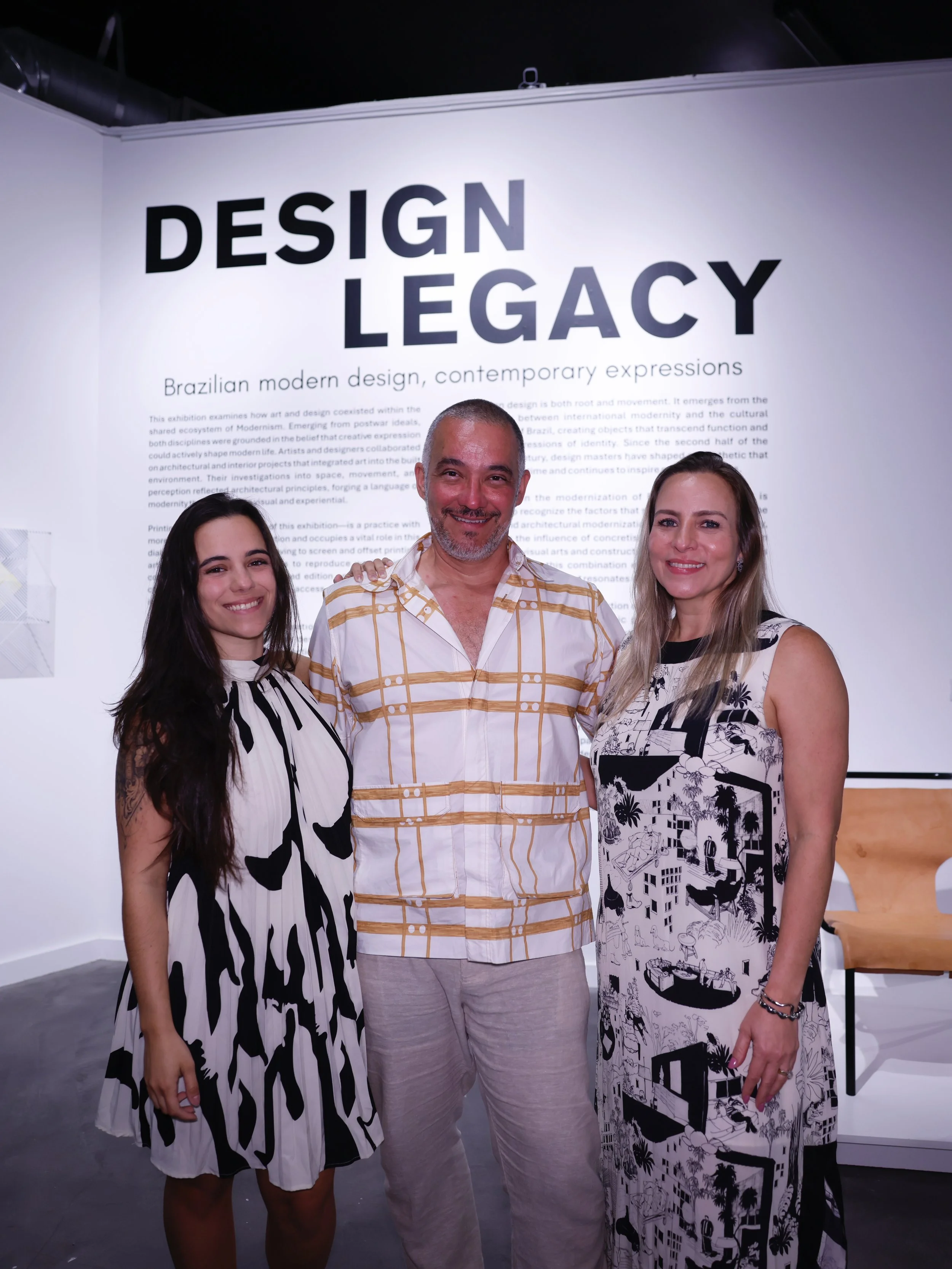
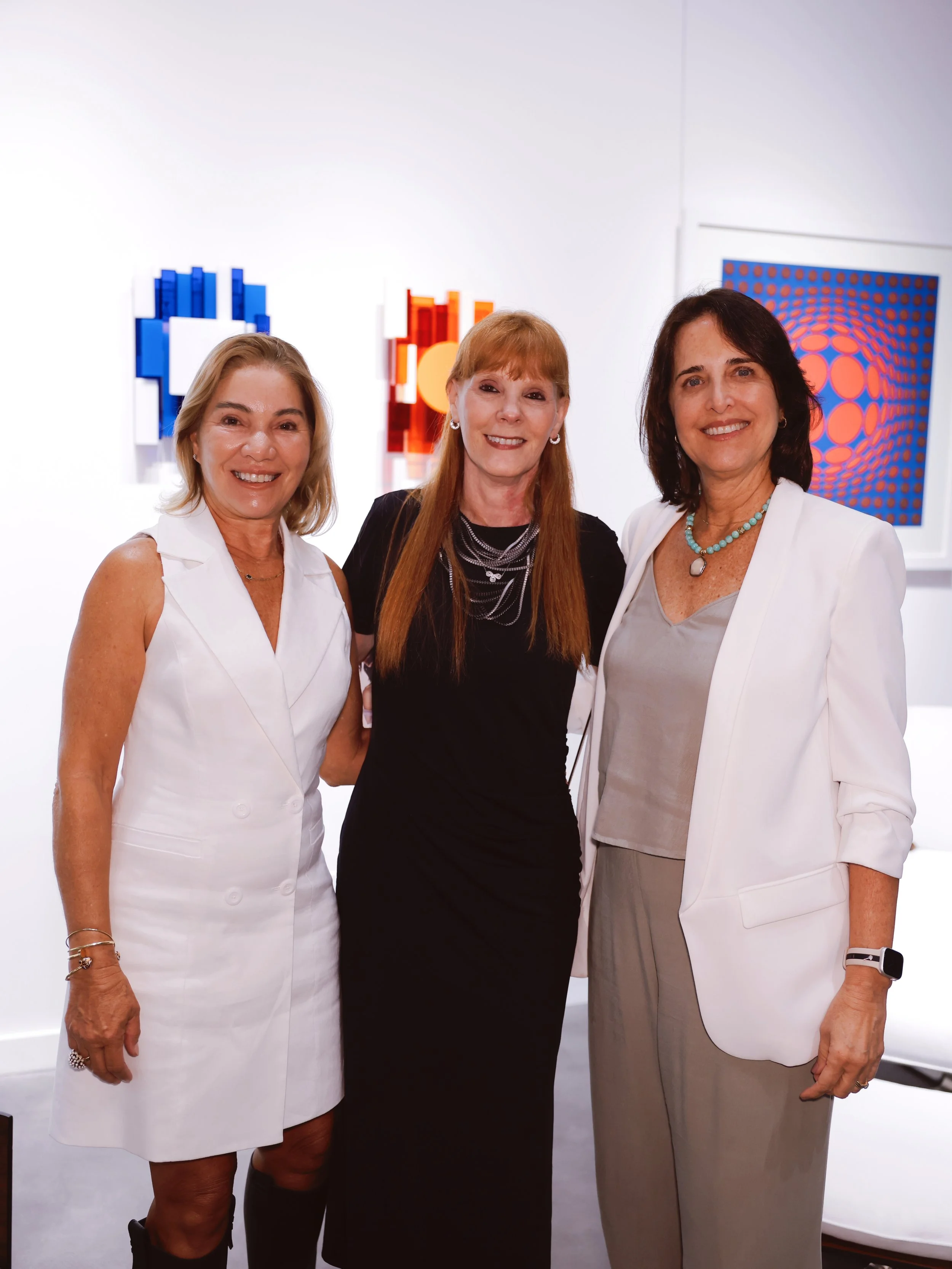
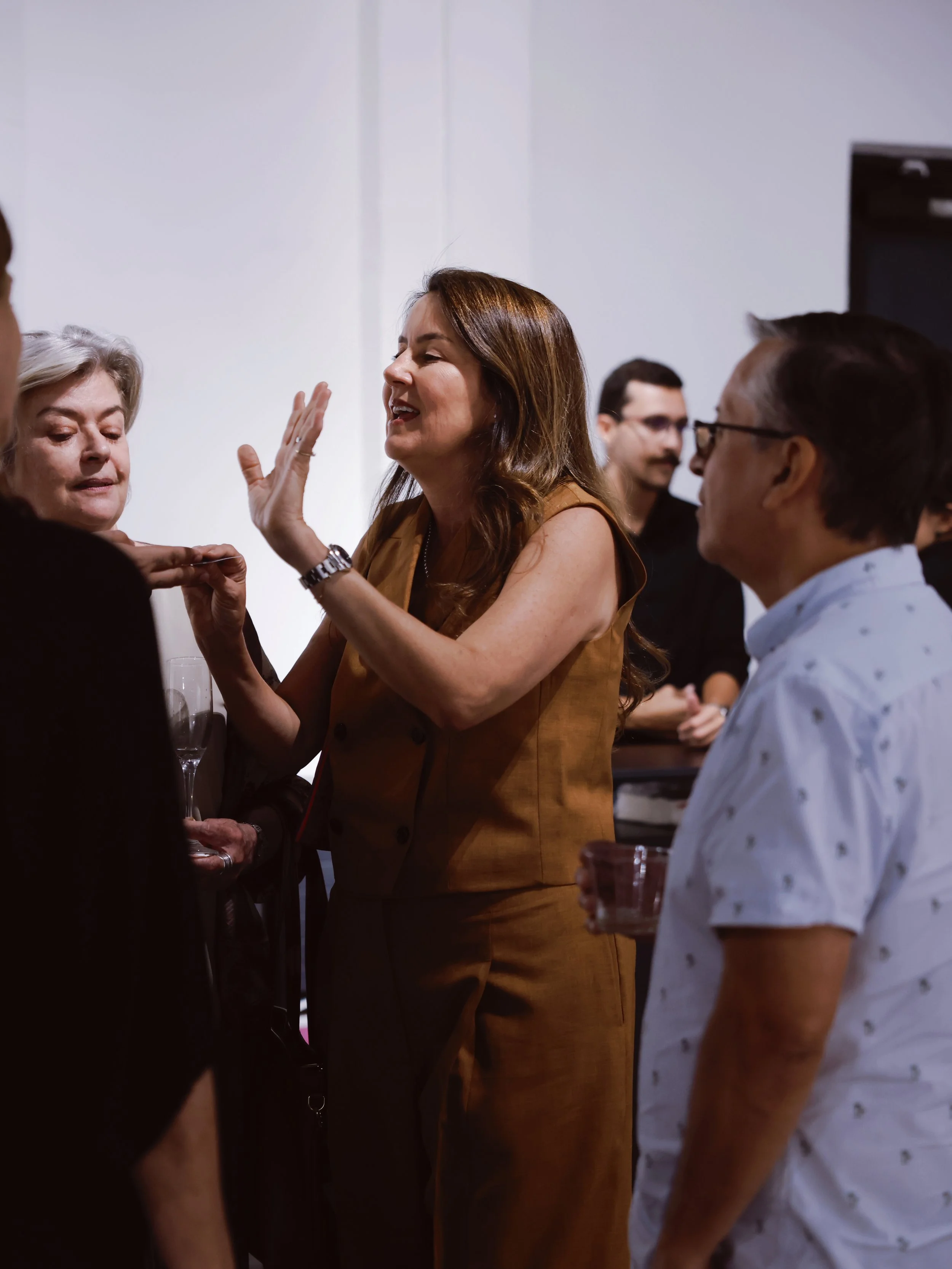
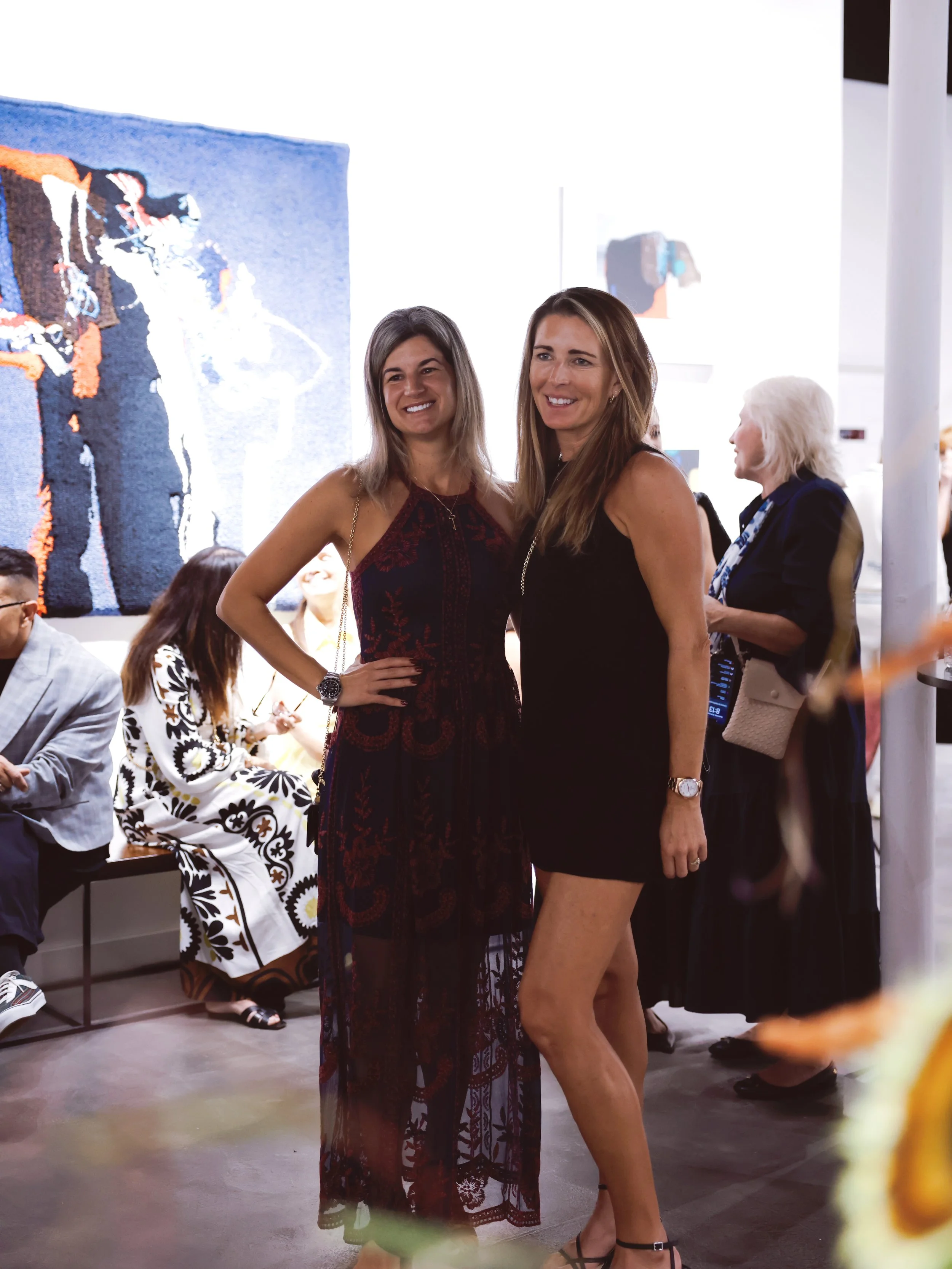
Carolina Dubois, Roberto Alves and Alessandra Dubois
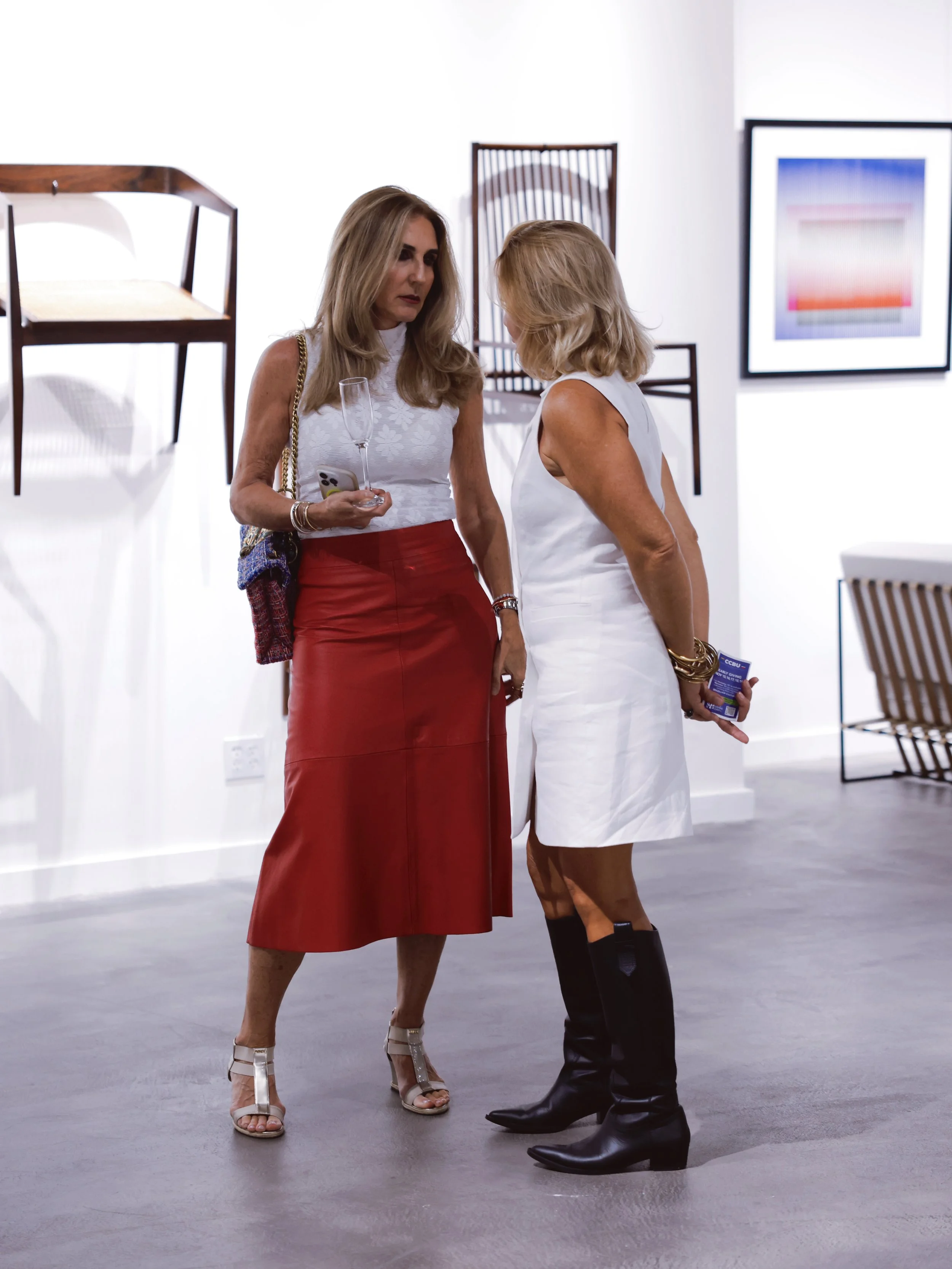
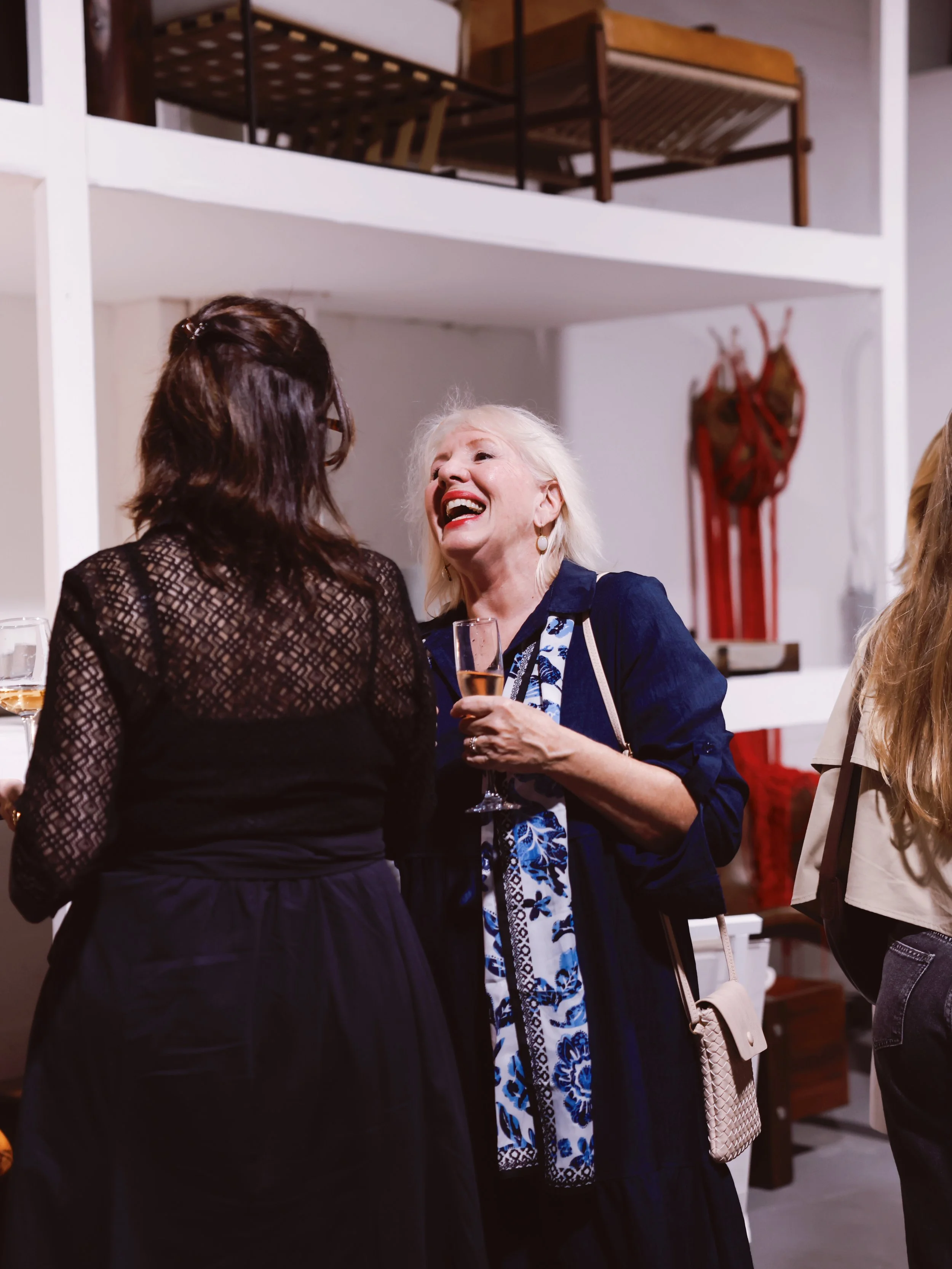
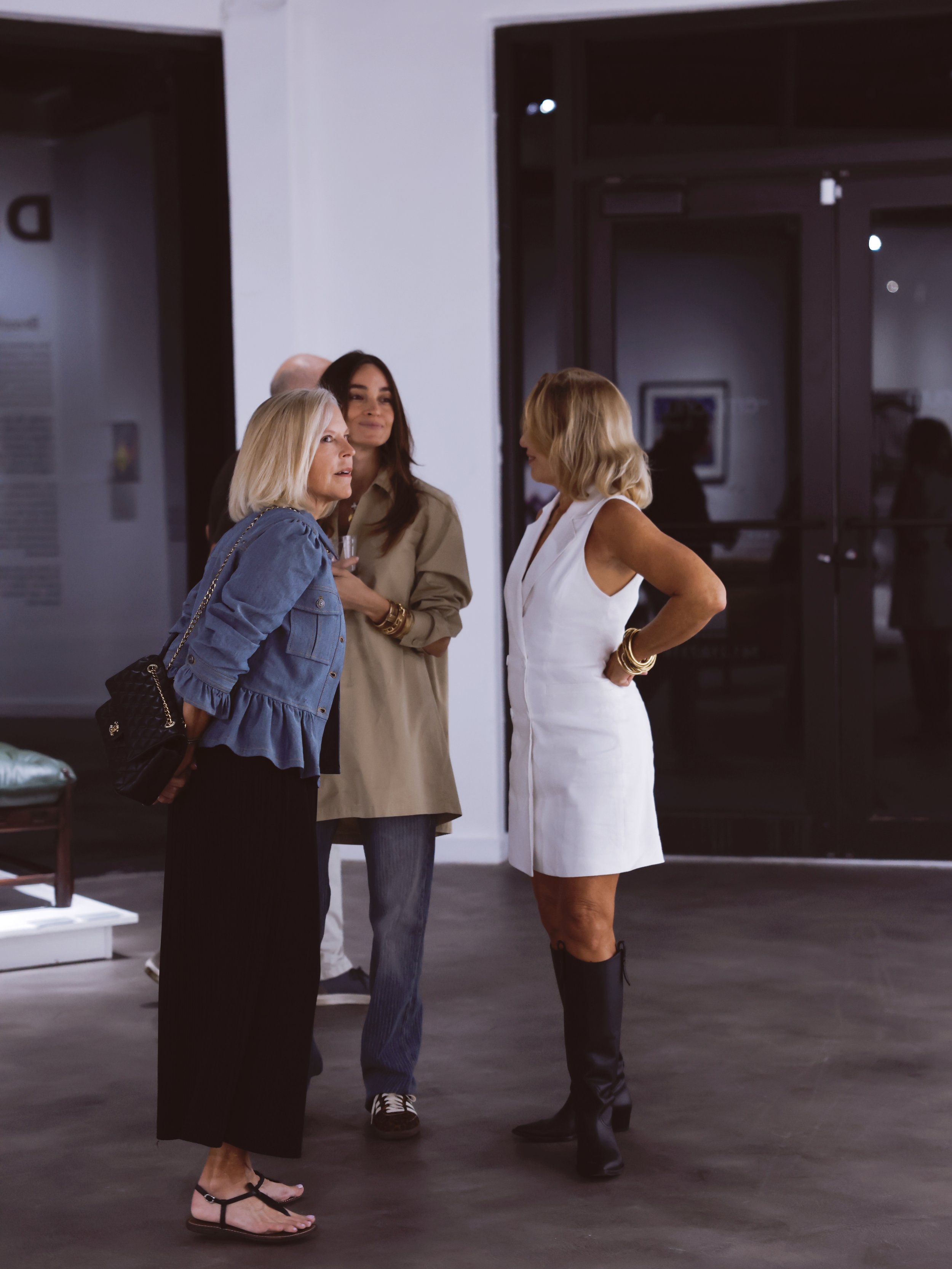
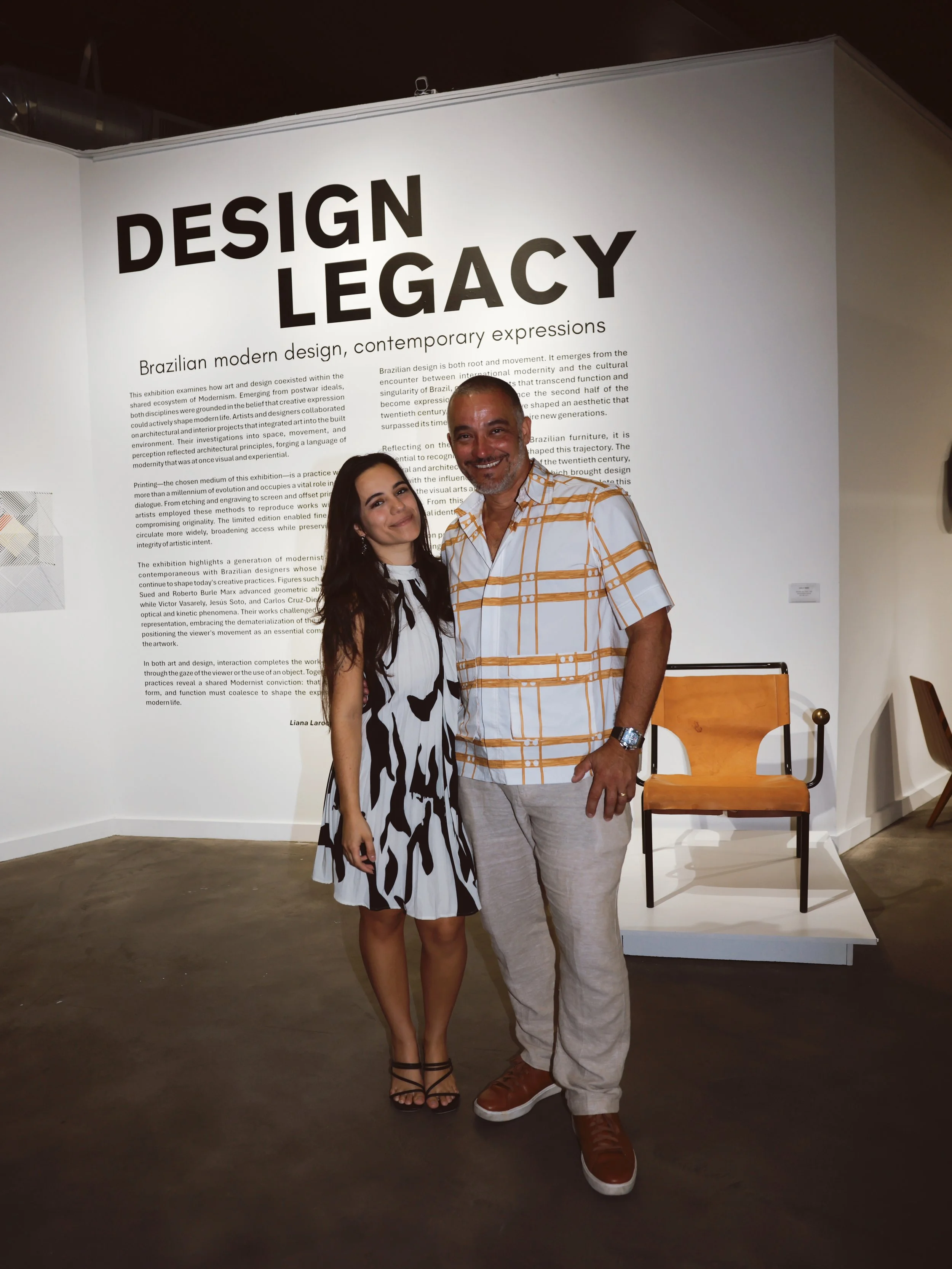
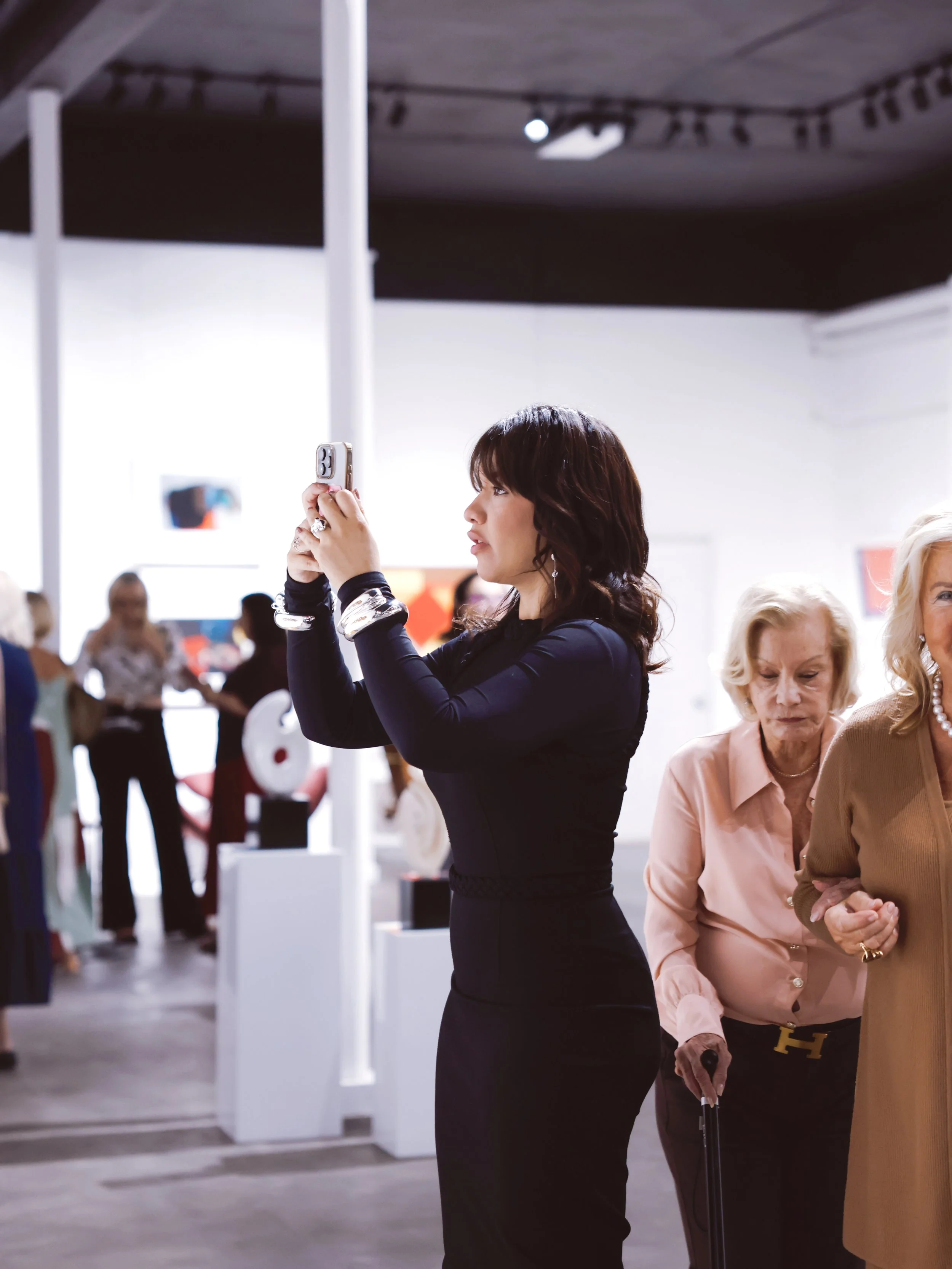
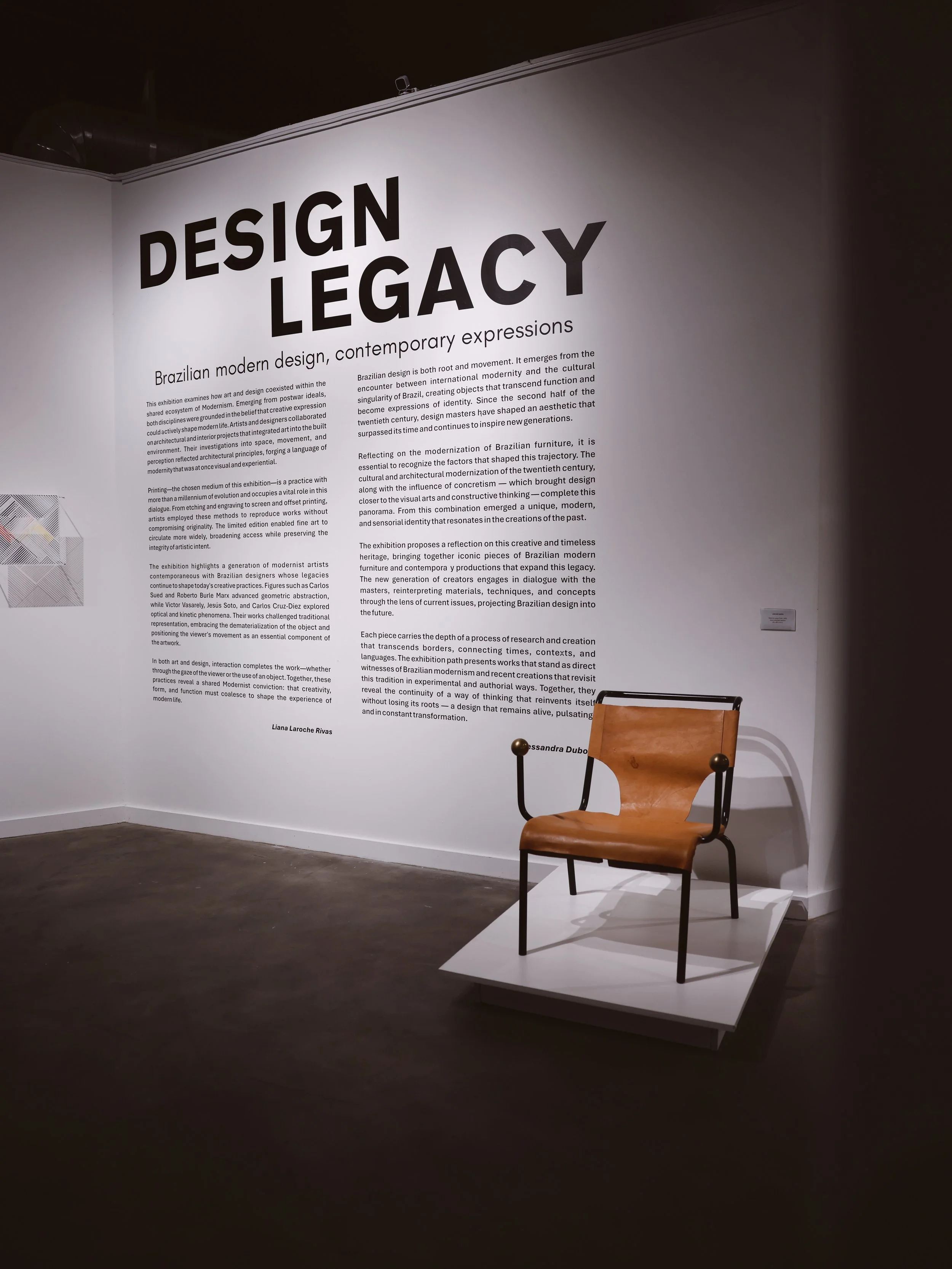
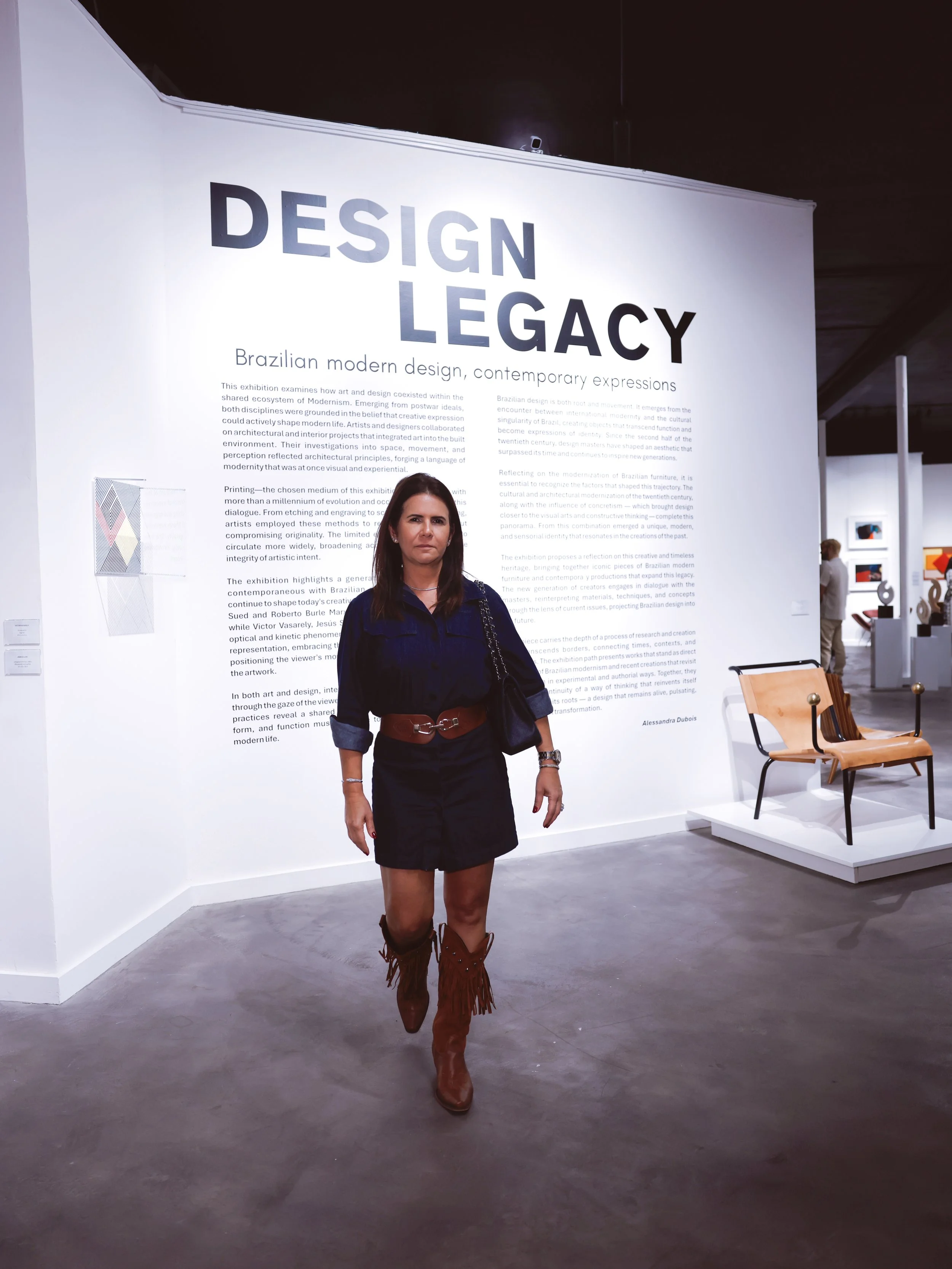
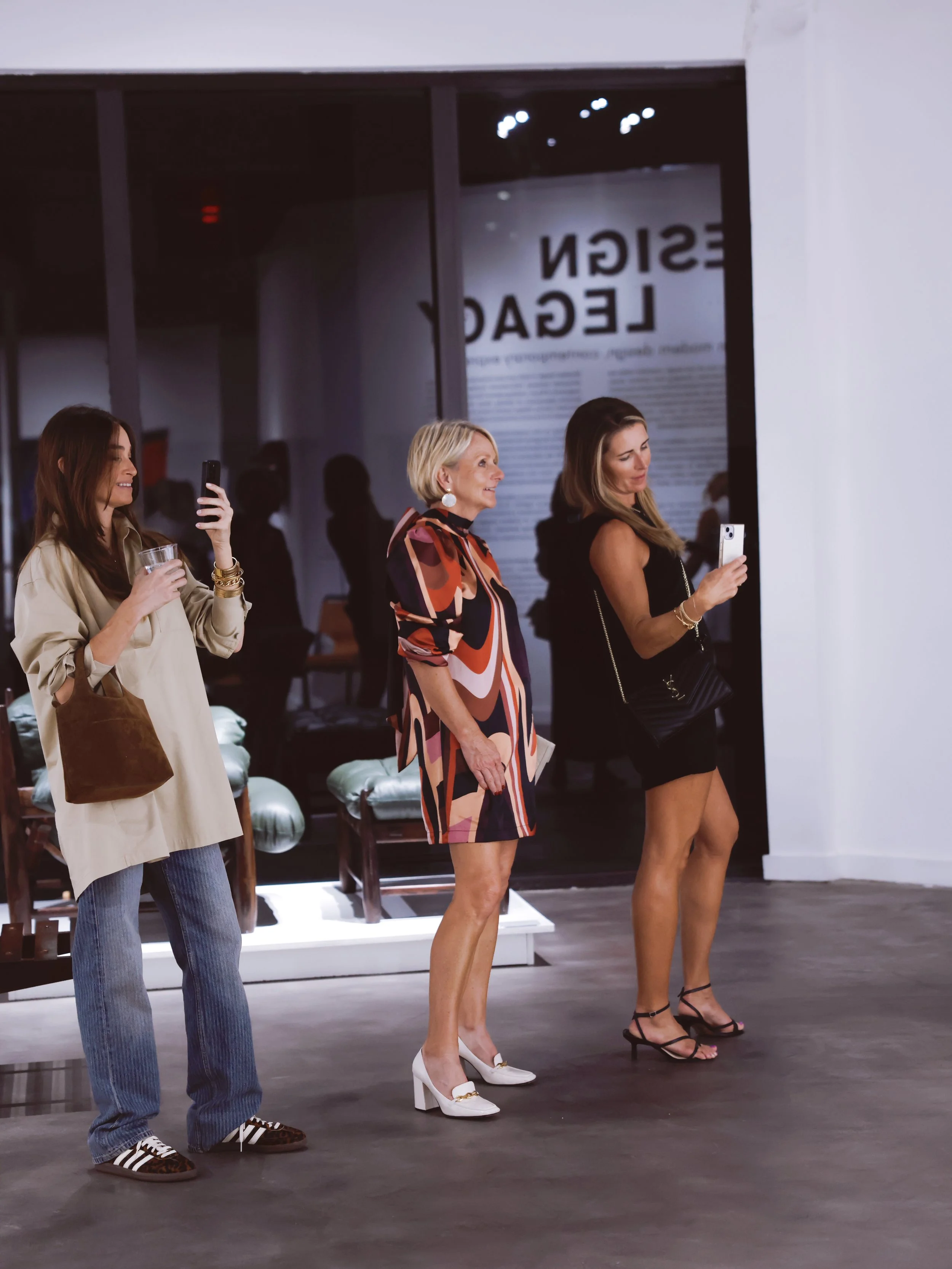
There are moments when design transcends function and becomes something more enduring—an expression of culture, identity, and time itself. Design Legacy: Brazilian Modern Design, Contemporary Expressions, presented by Emporium B Gallery from November 19 to December 2, was one of those moments.
Conceived as both a tribute and a provocation, the exhibition invited visitors into a layered narrative—one where past and present coexist, not in contrast, but in continuous dialogue. Developed in partnership with Centro Cultural Brasil-USA da Flórida and supported by the Consulate General of Brazil in Miami, the show positioned Brazilian design not as a closed chapter of modernism, but as a living, evolving language.
The Weight of a Legacy, the Lightness of Reinvention
Brazilian modern design has long held a singular place in the global imagination—defined by its sensual lines, its embrace of natural materials, and its ability to merge European modernist principles with the richness of Brazilian culture. Yet Design Legacy resisted nostalgia. Instead, it asked a more compelling question: what does this legacy look like today?
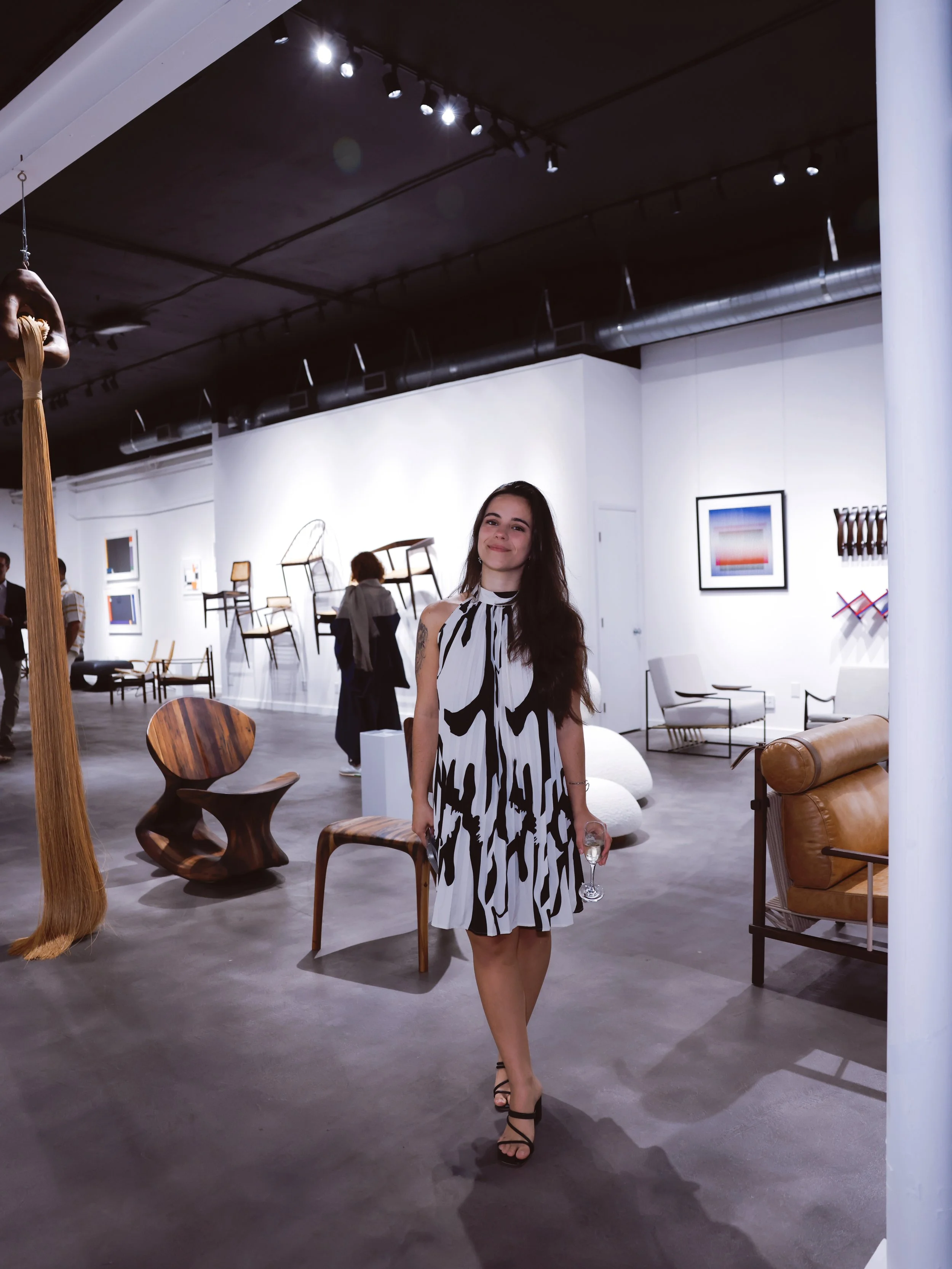
The answer unfolded through carefully curated juxtapositions. Iconic modernist pieces stood alongside contemporary works, revealing an invisible thread that connects generations of creators. In these pairings, continuity emerged not through imitation, but through reinterpretation. Forms softened or sharpened, materials evolved, but the underlying sensibility—an intuitive balance between structure and fluidity—remained unmistakably present.
An Expanded Field: Where Design Meets Art
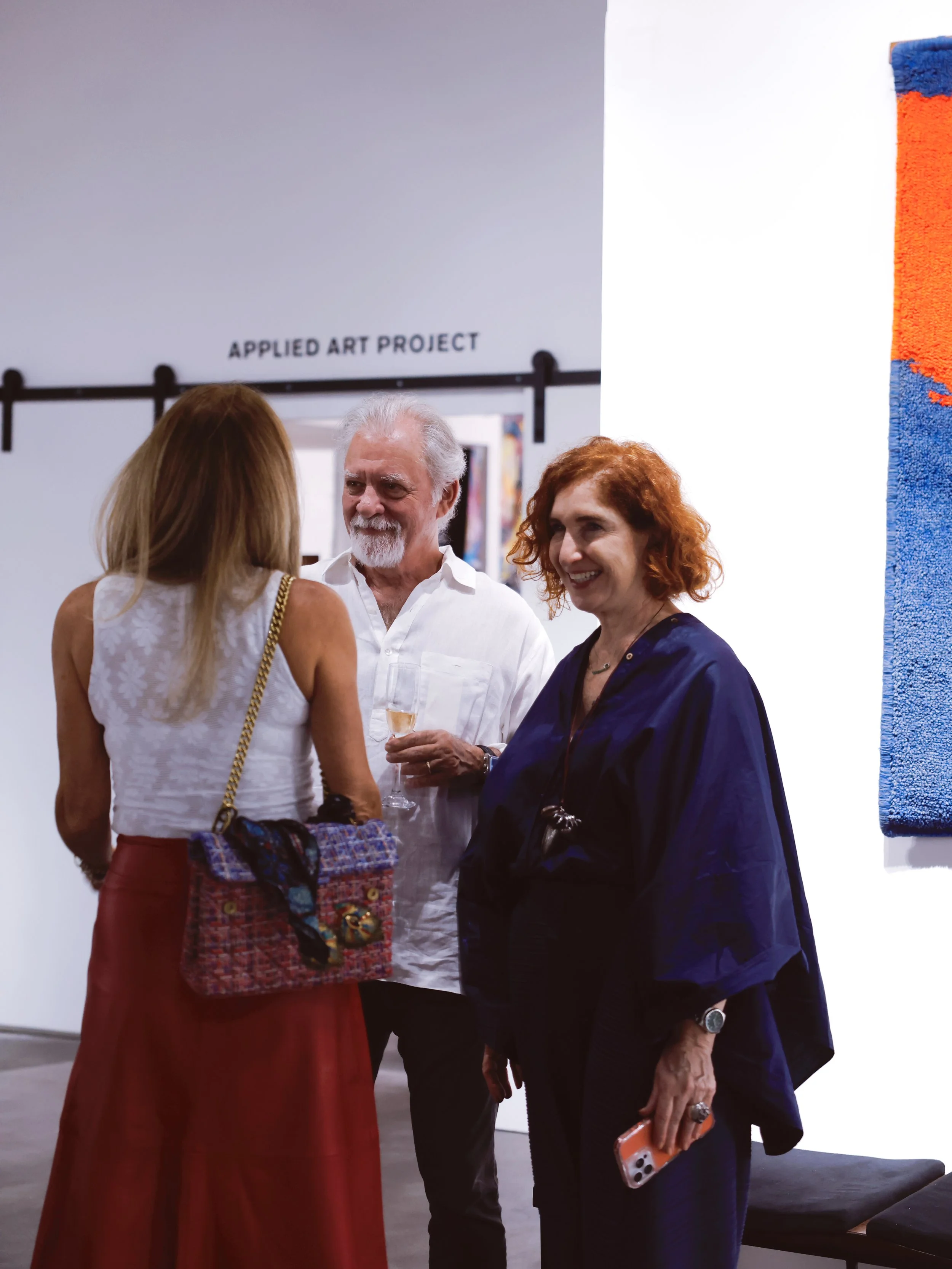
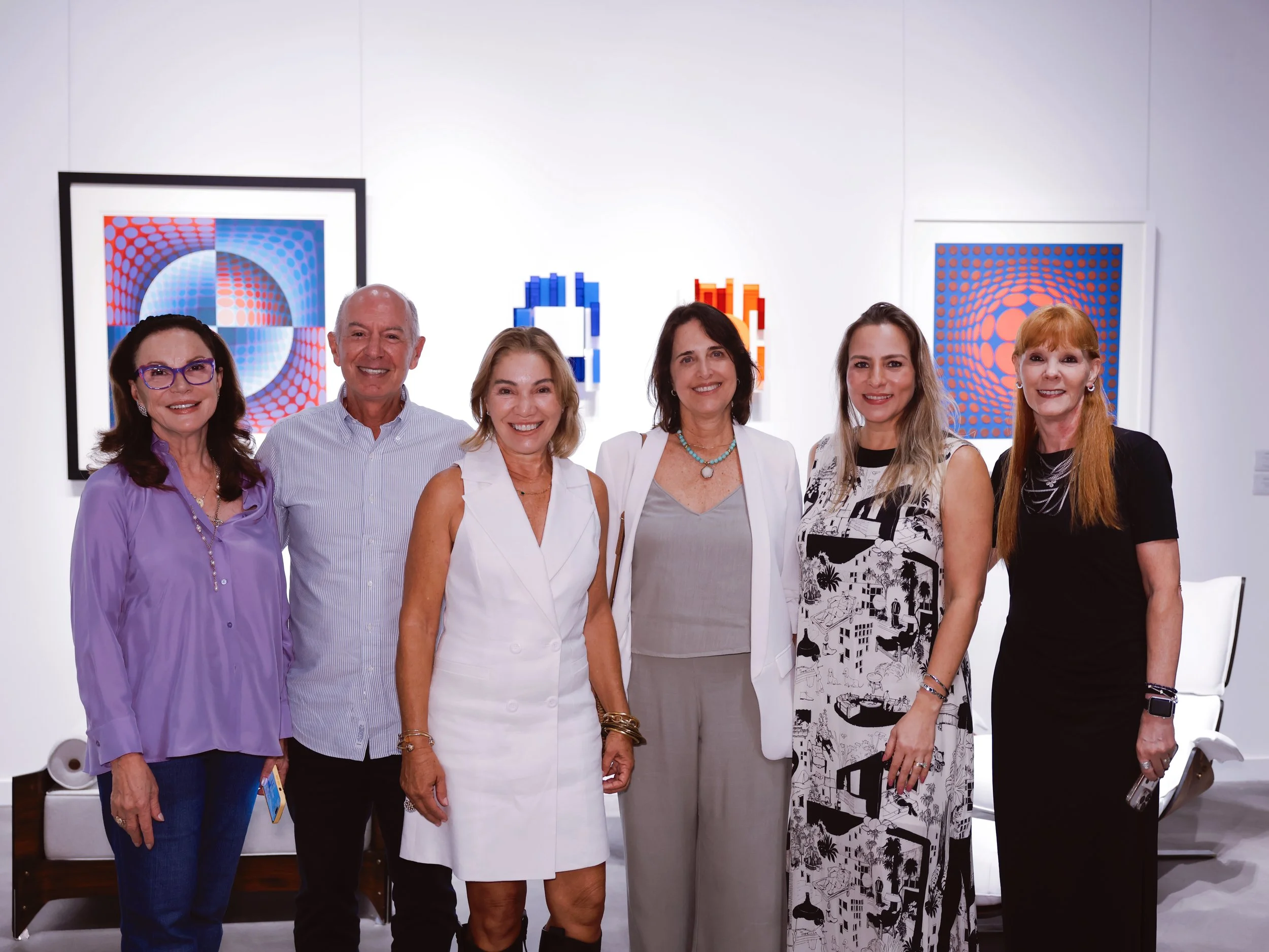
What distinguished Design Legacy was its refusal to confine design within disciplinary boundaries. Moving beyond furniture and objects, the exhibition incorporated modernist artworks, photography, and archival documents—elements that expanded the narrative into a broader cultural landscape.
Here, design was not isolated; it was contextualized. Visitors encountered the visual and intellectual environment that shaped Brazilian modernism, gaining insight into the exchanges between artists, architects, and designers that defined an era. This interplay revealed a deeper truth: that Brazilian design has always existed at the intersection of disciplines, absorbing and transforming influences into something uniquely its own.
Miami as a Cultural Crossroads
To experience this dialogue in Miami added another layer of meaning. A city shaped by migration, hybridity, and constant reinvention, Miami provided a fitting backdrop for a story about continuity and change.
Within this context, Design Legacy did more than showcase objects—it strengthened Brazil’s cultural presence within an international creative scene. It fostered connections between communities, encouraging a dynamic exchange between Brazilian heritage and global perspectives.
Design as a Living Language
Perhaps the most compelling aspect of the exhibition was its quiet insistence that legacy is not something to be preserved untouched, but something to be activated. The contemporary works on view did not seek to replicate the past; they engaged with it—questioning, reshaping, and projecting it forward.
In this sense, Design Legacy was not only about looking back. It was about recognizing design as an ongoing conversation—one that evolves with each new generation, each new context, each new idea.
At Emporium B Gallery, that conversation continues—bridging geographies, disciplines, and time, while reaffirming the enduring relevance of Brazilian creativity on the global stage.